I cannot help but to cry while doing this tribute to honor our beloved father.
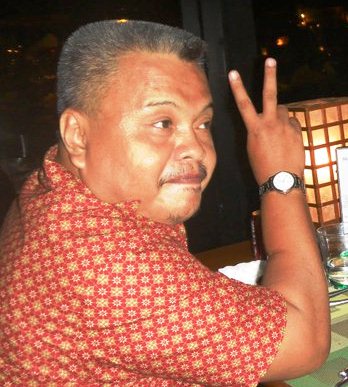
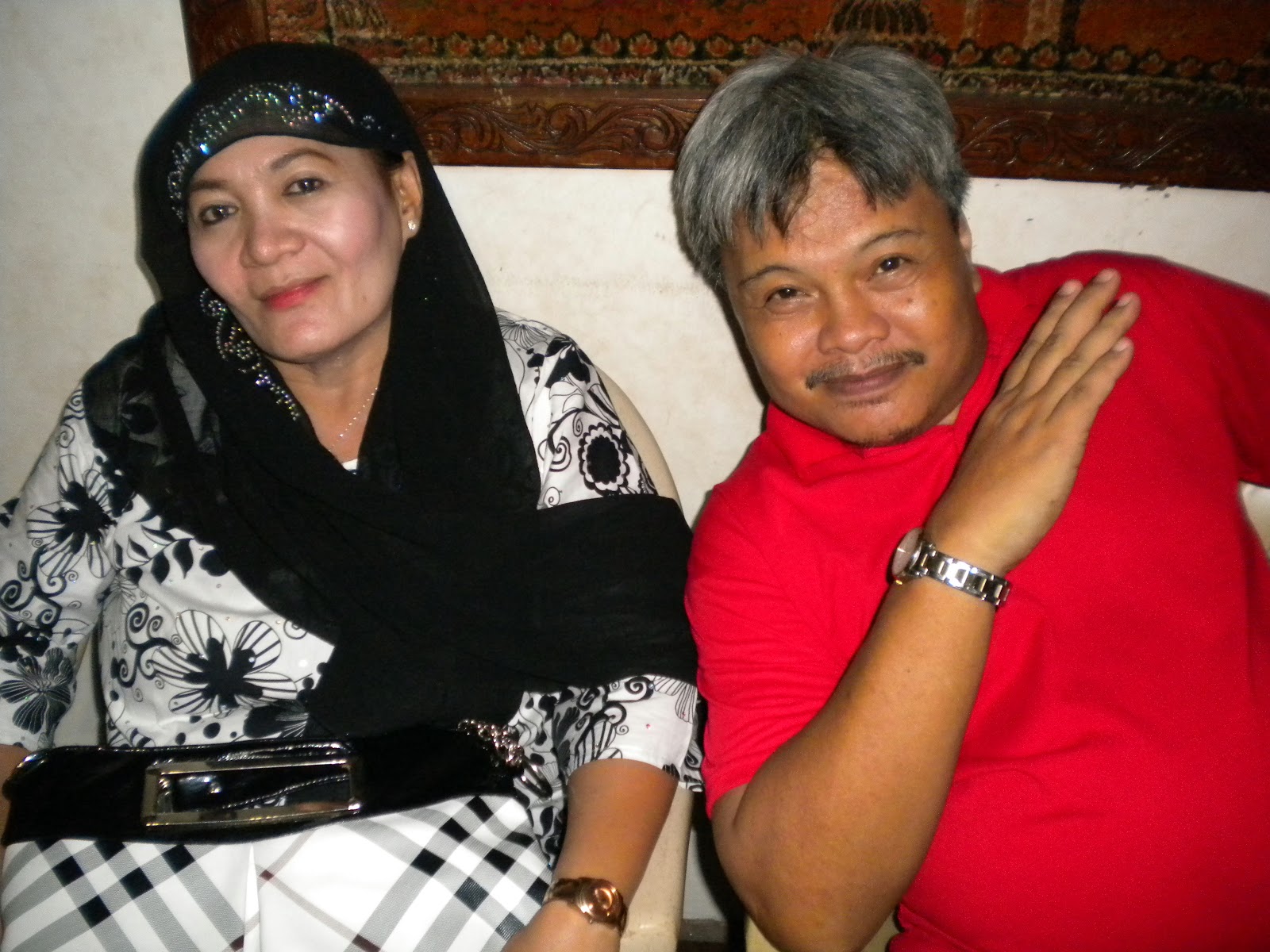
Just by looking at his pictures which manifest such joy and happiness,
my tears keep on flowing like streams and rivers
and heart is grieving like a lamenting event of great catastrophe.
My parents were even planning to make their first hajj (pilgrimage)
to the Ka’aba in al-Makkah, Saudi Arabia this year (2012),
all of their documents were nearly complete,
instead Allah (God) decided to invite my father immediately.
Wherever you may be, dad, we wanted you to know that your optimal success
is how you brought and guided us (your wife and children)
toward the state of success we are living now.
May Allah and our angels guide your journey to the eternal sanctuary
and blissfully haven. Farewell, for now.
Nazir Marohombsar Adiong
August 20, 1957 – January 29, 2012
54 years old
After coming back to Ankara last Friday (Jan. 27) in the afternoon, Uncle Robin (my father’s elder brother) sent me a message that my father was rushed to the hospital because his heart stops beating. I only got the chance to read his message on Saturday morning. The doctors from ER were able to revive him. However, his brain and internal organs were directly affected because of 20 minutes of no oxygen and unstable blood circulation.
While he was quasi-unconscious on Saturday night, he was able to listen to all of the people who were there and talked to him including my mother and my sisters. Until, I was the last who talked through a mobile phone, and my mother told me that his tears fell and he finally bids goodbye. I will miss you, dad, wherever you are. In many years to come, we will be reunited when our time in this world had ended.
In memory of my Dad
i will remember all u taught me
i’m hurt…… but won’t be sad,
cos he’ll send me down the answers
and he’ll always be my DAD:(
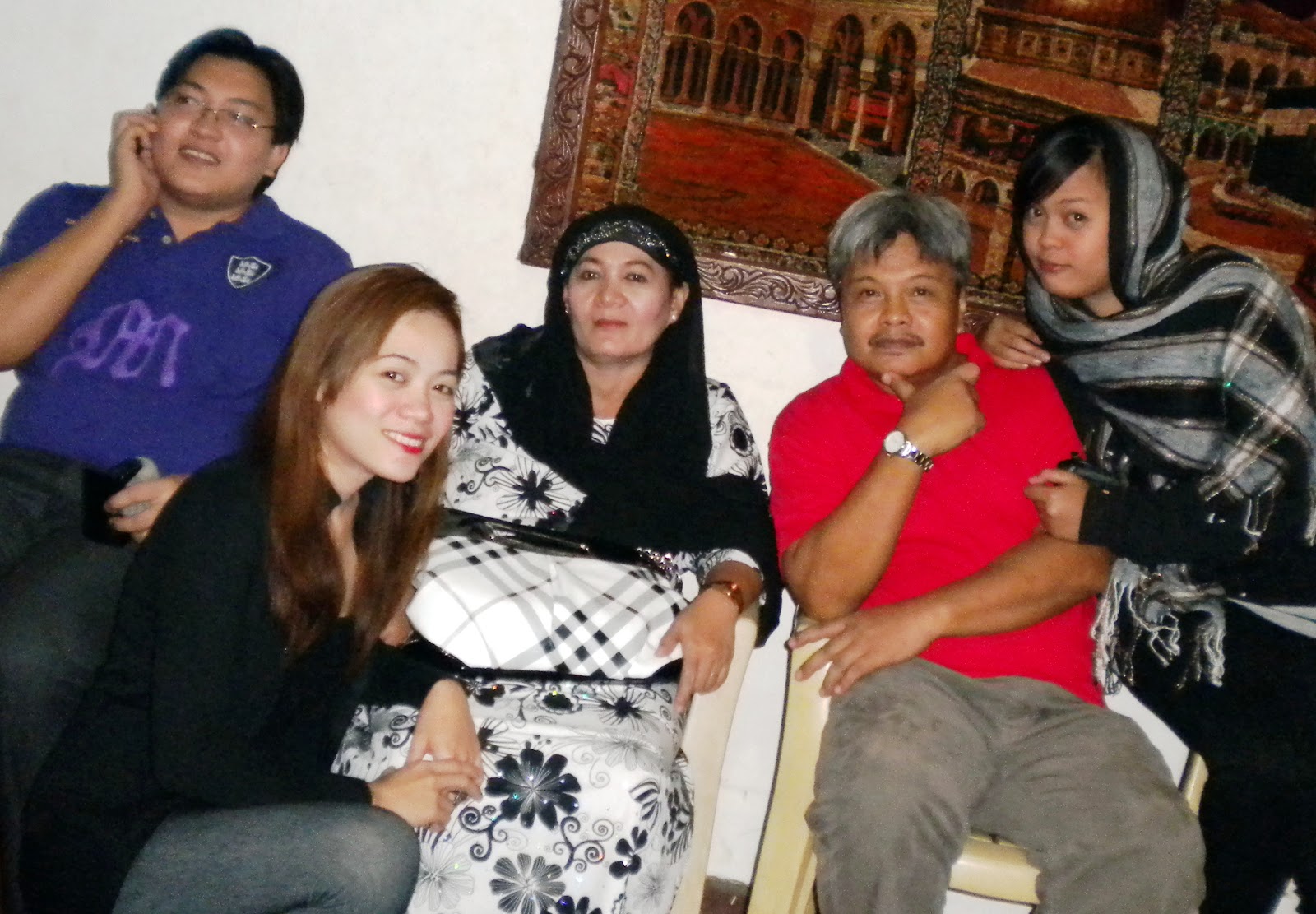
This was the last family photo taken in my grandfather’s home in Marawi City, Philippines.
From right to left: Nazrin (the youngest), our Father and Mother, Alimah,
and Myself – the eldest. (August 2011)
Evangeline Santos Nassef, am sure you remember me, though we had not communicated much…I was formerly one of the PTA Presidents of the former TCQC….your father is a very good friend a brother of mine, and just want to let you know that I personally grieved so much on your Dad’s passing. We share the grief on your loss…as it is also a great loss for us. All those who knew Naz and whose lives was touched by him…wanted to let your family accept condelences and prayers. We will truly miss your dad. God bless.
I, together with my friends mourn the passing of a very good friend and Muslim brother…Naz Adiong. We pray for the early repose of his soul. May he bring with him happy memories of our comarederies..moments that made his passing painful for all of us. No doubt that your in the hands of our Lord now. Godspeed Naz…we love you!!! Your Dad Naz was very proud of you, in fact, 1st week of December, he told us you were coming from your successful doctorate studies from abroad, that they are just waiting for you, then we will have our reunion toether with your Mom Sandra. Regards to your Mom.
I missed your Dad so much Nassef, he is one true brother….very simple, very kind, very loving, A TRUE SCOUT IN SPITRIT…everyone likes him…..there’s an empty space in my heart…regret that I hadn’t seen him before his passing in this world. You are one truly blessed child of Naz….you must really be so proud of him…..WE ALL DO!!!
John Philip Santillan Do accept my heartfull condolences to you and Adiong family. It was a shocking news, after a long years of waiting and just and two weeks ago, i was able to talk to your father through his cellphone, my bestfriend in highschool. May his soul rest in peace. . . . I still can remember his voice and our laughters, plans for summer. . . Nassef, thank you. And please do take care and give my regards to Robin he also knew me. May GOD bless you all.
When someone you love becomes a memory, the memory becomes a treasure.
Nassef, the fellowship and friendship we had with you father, i will never be forget and he will remain my bestfriend. I do miss him. Do take care and surely if you come for a visit norway don’t hesitate to contact me. Have a blessed day. Regards to the family and also to kuya Robin.
Ibrahim Macatoon Abdulrahman Macacua I AM DEEPLY shocked and felt very sad upon knowing the untimely death of your beloved father NAZIR ADIONG, my best friend & my classmate (DC ‘73). I pray for his soul to rest in peace & for you to regain strength. Accept my heartfelt & deepest condolence!
Dvine Gianan mare, i’m very saddened by what happened. Grabe nashock naman kme nila mama kanina. Hope your strength w0n’t fail you, sana nga andyan ako para mabigyan kita kahit unting c0mf0rt lang..wag k masyad0ng mad0wn lalo na nasa turkey k ulit isipin na lang natin peaceful n ang papa mo sa heaven..magkikita-kita din tau ulit! I love u mare, ingat ka dyan.. We send u our c0nd0lences.. I’m here sh0uld u need me..
Clemencius Munez nassef, my sincerest condolences. Be strong. We are always here for you. You have our prayers.
Lorna Abarca hi nas! naiyak naman ako. i just read this. condolences to you and to your family. he just waited for you. am sure he’s just waiting for your voice before he let go. be strong nas and will pray for you. don’t worry nasa creator na natin sya. whatever you are feeling right now, it will take time to heal. ingat!
nas, be strong dear!
Alvin Go Dearest friend
Nassef Manabilang Adiong, Please accept my heartfelt sympathy. I never expected that this will happened, since our last talked about him. : C Wherever tito may be, God will always be with him. I, with my family (im sure all your friends too), will pray for tito. He may not any more be physically present, but he will always be alive in the hearts of many people who loves him. Continue to shine, like the stars that shine in the darkest night. We will always be by your side.
Prof. Dr. Clarita R. CarlosNassef, my heart bleeds for you as I feel deeply the sense of loss and helplessness you feel knowing your father was dying and you were so far away. I always believe that like my mother who has passed on, your father will also still be with you on another level. Remember, the amount of energy in this earth is constant all the time, never diminishes… Warm hugs to comfort you…
Dean Julkipli Wadi Dear Dr. Adiong; Our condolences to you and your family. Life is always like that for all of us. As it has a beginning, life has its end too. We all are from Him and to Him is our return. It was good you were able to talk to him; he passed away happy when he heard your voice. He must be very proud of you. In a sense, as he was an acccomplished man, he must have left you the torch to accomplish more not only for your family and relatives but in the service of higher ideals including the principles he believes in. Thank you also for keeping in touch and for sharing your success and moment of grief. I’d known too many friends and colleagues who I’ve seen their potentials and talents. You are one of them who stand out almost singularly. Good luck and our du’a to your late father and may Allah bless him. Best.
Prof. Dr. Nuri YurdusevI am very sorry to hear the sad news. Hope you soon pull yourself and get back to your normal life. Take care
Dean Meliha Altunisik Dear Nassef, I am so sorry to hear this news. I lost my mom a year ago. So I sincerely understand how you feel. This is a great loss. I console myself by cherishing the good memories we have had with my mom and believing that one day we will meet again. I advise you to do the same. May Allah rest his soul in peace and give you strength. My very best wishes.
Prof. Dr. Yasin CeylanDear Nassef, I am exrtremely sorry for your father’s death. I can imagine how much you are affected by the event. You also know as a beleiving Muslim that he has returned to his Lord, Allah. The only thing that we can do for him is to ask God for mercy and forgiveness. Love.
Marigen Amador Zaimoglu Nassef my dear,as i told you …be strong!!!this is part of our life just pray for him and i know he is in good hands now.My deepest sympathy and condolences to you and your family.Dont forget that Iam here to help and comfort you…ate jean..
Sanem Arslan My dearest, I’m terribly sorry to read the saddened news on your wall and so sorry for your loss. My prayers and thoughts are with you, your family and with those he left behind. May his soul rest in peace. Please try to be strong canım… He will be truly missed but may the happy moments you all shared be a source of comfort. My heart goes out to you and your family. I’m always here for you… Let me know if there is anything I can do for you and your family. I will give you a big hug when we see each other…
Adeliza Dima-Adiong Condolence klasmet & cozn…Kagabi dumting labi daddy mu but ADIONG FAMILY still cant believe what happen 2 ur dad! young age, very active 2 d’ family, always nkasmile & ur dad s one of legacy of ADIONG.
Tanya Meikshane Nassef, dear Naseef. I am very sorry about your Dad. I wish he rests in peace. Many hugs to you! Take care.
Joselito Dalisay He’s in good hands where ever he is, just be strong my friend and continue the good works you have started and that would make him even more proud of you. Condolence, Nassef.
Rona Jane Savedra Condolence. welcome back sa Ankara, tawagan mo ako para makapagkape naman tayo.
Ron LaranjoI extend my condolences to you and your family. I will pray for your father and your family
Kristhel Anne S. Kabigting condolence nassef. btw my parents would like to know kung dito ba sa manila ung wake? kasma kasi nila yan sa PTA before di ba.
Suray San Innalilahi wa inna illaihi rojiun…..my deepest condolence ..my dear friend Nassef. My prayer for him.
Jobir MuminovInnalilahi wa inna illaihi rojiun \*_*/… Accept my deep condolences Nassef… May Allah bless you!
Jona Sh I am sorry sweety…Unfortunately, there is a time for everyone to leave this world… It’s hard to accept this, but try to be as strong as possible and give a meaning to your life as I believe your dad did as well.
Leyla Yosef Condolencemy friend im sure he will wait you in heaven.God bless him.
Danny Swibel Sorry to hear bro..be well and remember all the good stuff!
Aiz Gomez oh my, sorry to hear that Nas 😦 my deepest and sincerest condolences to u and ur family
JB Manabilangallah bless always your family specially your dad tc. Cousin
Ommie AlangadiI was there…in the hospital last sunday… May ALLAH Bless Kuya Nazz soul…
Rosalie Stacey May the comfort of God help you during this difficult time…thoughts and prayers are with you. Ima…my sincere condolences on the loss of your Dad.
Jasmin Rad I’m sorry Ima. Also my conodlence.Be Strong!!
Gaze Isien Ngyn k kng nlman toh ah 😦 condolence mahal.
Aiza Llegue Dejucoscondolence alimah,, i met ur dad during our HS days,, and i still remember him til now.. im praying for ur family,, take care.. and IMY gurl..
Xhenezh Singhcondolence ymah…
Maui O’ReillyHi Nassef, I hope you’re hanging along.. Hugs and my condolences to you and your family
Legaspi RavasNassef please accept my condolences for the ascent of your father to God all the best for you and your loved ones










 Nassef Manabilang Adiong, PhD
You must be logged in to post a comment.