Call for Book Chapters
The Contemporary Bangsamoro
Editors
Nassef Manabilang Adiong ∙ Acram A. Latiph ∙ Almahdi “Aldean” Alonto
A book project collaborated by the Mindanao State University’s Institute of Peace and Development in Mindanao (MSU Marawi’s IPDM), Bangsamoro Research Network (BRLN), University of the Philippines Bangsamoro Studies Group (UP BSG), and the Heavenly Culture, World Peace, Restoration of Light (HWPL).
The project collaborators open the submission of book chapter proposals for the upcoming anthology “The Contemporary Bangsamoro,” a compendium of both academic and policy papers that engage the different aspects and angles of the Bangsamoro and the changing character of its society and politics, religio-cultural practices, history, economy, security, and environment. As a rapidly evolving autonomous region as well as a fluid sociopolitical identity, this monograph aims to shed light on historical issues alongside its current status, concerns, and future prospects. It offers a comprehensive, interdisciplinary examination of the Bangsamoro as it continues to navigate post-conflict governance, economic development, political transformations, and social change. The Contemporary Bangsamoro moves beyond a generalized view of the autonomous region by emphasizing provincial heterogeneity—how different provinces within the region experience governance, economic development, security, and social dynamics differently. It also includes perspectives and views of Moro societies outside the region both in the country and overseas. By integrating case studies from Maguindanao del Norte, Maguindanao del Sur, Lanao del Sur, Basilan, Sulu, Tawi-Tawi, Special Geographic Area (SGA) in North Cotabato, and Moro communities outside the region, the book provides a granular understanding of how local, national, and international variations affect policy implementation and development outcomes.
Prolegomenon
The use of the term “bangsa” alongside “Moro” is more than a hundred years old, with a newspaper in 1911 mentioning it as a counterpoint to “bangsa tau puti” or people of European descent, referring to those at the apex of colonial power. In 1924, we see its English translation “Moro Nation” resurface in the Zamboanga Declaration whereby prominent Moro leaders of the time expressed their protestations in being included in an independent Filipino nation. Here, it morphed as a counterpoint to the Filipino, and 11 years later, the Dansalan Declaration of 1935 further amplified the need for a distinct nation for the Moro people, binding the 13 Muslim ethnolinguistic groups of Mindanao, Sulu, and Palawan in a single political possibility. History did not favor this independence campaign, however, and more than three decades later, the Jabidah Massacre of 1968 prompted one of the biggest internal crises of the Philippines as it commenced the Bangsamoro struggle that continues to persist today in changing configurations.
With this brief overview, a far cry from the complex reality of its chronological journey, the delineation of the Bangsamoro identity grew in scope and meaning, now embracing both settlers and non-Moro indigenous peoples as a voluntary self-identification. The dynamism of the Bangsamoro as demonstrated by its historical antecedents, hence, demands a constant renewal of analysis. In this anthology, the project collaborators aim to breathe life into our current conceptual categories and empirical resources in understanding the Bangsamoro and its sociopolitical, historical, economic, religio-cultural, environmental and security aspects. With this overarching direction, it further aims to provide clarity as to its contemporary character, concerns, and potential trajectories as well as steer clear from ambiguities and misconceptions persistent in academic, official, and practical discussions and debates on the Bangsamoro.
Objectives
With the monograph’s emphasis on the contemporary condition of the Bangsamoro, its society and politics, history, culture, economy, religious practice, environment, and security, the book aims to achieve the following:
- To introduce up-to-date conceptual and empirical insights and findings of the Bangsamoro as both an autonomous region and an identity beyond geographical limitation;
- To provide clarity to the current understanding of the Bangsamoro and dispel recurring misconceptions given its dynamic and multifaceted characteristics;
- To explore and discuss potential futures that address present concerns, ranging from issues of inclusivity and governance to transition and justice, among many others;
- To serve as a key reference for understanding BARMM’s governance, economy, and social landscape at a provincial level; and,
- To inform discussions on policy, peacebuilding, and development while offering a research-driven perspective.
Themes
Bringing together leading Bangsamoro scholars, policymakers, and practitioners, this book addresses the following key themes:
Part I: Political Transformations and Governance: Examines governance challenges, the persistence of political dynasties, and institutional reforms across different provinces.
Part II: Economic Development and Informal Sectors: Analyzes economic diversification, informal economies, and the role of private sector growth across the Bangsamoro.
Part III: Peace, Security, and Justice: Investigates security threats, transitional justice, and law enforcement mechanisms in the provinces.
Part IV: Social Change, Identity, and Education: Explores socio-cultural diversity, educational reforms, and the role of women and youth in the provinces.
Part V: Provincial Perspectives and Comparative Analyses: Highlights the political, economic, and social heterogeneity of BARMM’s provinces, focusing on disparities, opportunities, and local governance models.
Part VI: Sustainability and Development Challenges: Addresses climate resilience, infrastructure gaps, and development planning within the region.
Contents
Introduction: The introductory chapter provides an overview of BARMM’s transition, the significance of examining its provinces individually, and the book’s interdisciplinary approach.
Part I: Political Transformations and Governance
01. The Bangsamoro Transition: Progress, Governance Gaps, and Provincial Disparities
- Evaluates the performance of the Bangsamoro Transition Authority (BTA) across different provinces and municipalities.
02. Political Dynasties in BARMM: Continuities and Divergences Across Provinces
- Analyzes how political families dominate governance in different provinces and their impact on policymaking.
03. Decentralization and Local Governance: The Role of Provincial Governments
- Compares governance structures across BARMM’s provinces, exploring fiscal autonomy and service delivery.
Part II: Economic Development and Informal Sectors
04. Economic Growth in BARMM: Provincial Disparities and Structural Barriers
- Examines why some provinces (e.g., Basilan and Tawi-Tawi) have stronger economic performance than others.
05. The Informal Economy in Bangsamoro: Livelihoods and Survival Strategies
- Investigates the role of informal trading, cross-border economies (Malaysia-Philippines), and local enterprise development.
06. Islamic Banking, Halal Industries, and Investment Zones: Provincial Economic Models
- Focuses on the development of halal industries in Lanao del Sur and the role of Islamic banking in economic growth.
Part III: Peace, Security, and Justice
07. Security Challenges in BARMM: Understanding Provincial Variations
- Compares security threats in mainland vs. island provinces, addressing armed groups, crime, and law enforcement.
08. Transitional Justice in the Bangsamoro: Addressing Historical Injustices
- Discusses how different provinces approach justice for past conflicts and human rights violations.
09. Local Peacebuilding and Traditional Conflict Resolution Mechanisms
- Highlights how customary laws and religious leaders contribute to peacebuilding in various communities.
10. Role of civil society and international cooperation in promoting peace
- Tackles the contributions of HWPL and other INGOs and CSOs on international contributions to local peace efforts.
Part IV: Social Change, Identity, and Education
11. Education Reforms in BARMM: Provincial Access and Quality Disparities
- Examines the varying levels of educational access, including the role of Madaris and public schools.
12. Women and Youth in Bangsamoro’s Political and Economic Landscape
- Investigates gender roles, youth engagement, and socio-political participation in different provinces.
13. Cultural Diversity in the Bangsamoro: The Intersection of Ethnicity, Religion, and Governance
- Explores how cultural identity shapes governance and development in various parts of BARMM.
Part V: Provincial Perspectives and Comparative Analyses
14. Maguindanao del Norte and Maguindanao del Sur: The Political and Economic Divide
- Examines how the split into two provinces has affected governance, service delivery, and economic development.
15. Lanao del Sur: The Maranao Economy and Post-Siege Reconstruction in Marawi
- Analyzes how Marawi’s rehabilitation influences economic recovery and governance.
16. Basilan: Governance and Economic Resilience in a Conflict-Affected Province
- Explores Basilan’s post-conflict governance, economic revitalization, and security challenges.
17. Sulu: The Complex Interplay of Traditional Leadership and Governance
- Discusses how traditional power structures and local politics influence governance in Sulu.
18. Tawi-Tawi: Border Trade, Maritime Economy, and Development Challenges
- Examines Tawi-Tawi’s strategic role in regional trade and its economic dependence on Malaysia.
Part VI: Sustainability and Development Challenges
19. Climate Change, Disaster Resilience, and Environmental Governance
- Evaluates environmental risks across the provinces, focusing on adaptation strategies.
20. Infrastructure and Connectivity: Overcoming Development Barriers
- Analyzes transportation, digital connectivity, and energy access across BARMM’s provinces.
21. Measuring Provincial Progress: Policy Implementation and Development Outcomes
- Provides a comparative analysis of development indicators across provinces, identifying gaps and policy recommendations.
Contribution to the Field
This book makes a pioneering contribution to the study of governance, development, and conflict resolution in the Bangsamoro by incorporating “we perspective” analyses. It provides:
- A comparative perspective on governance, security, and economic development across BARMM’s diverse provinces.
- Policy insights to enhance governance, private sector engagement, and long-term stability in the region.
- An interdisciplinary approach, combining historical analysis, empirical research, and policy discussions.
Market and Target Audience
This book is intended for:
- Academic Scholars and Students: Those researching Southeast Asian studies, governance, and conflict resolution.
- Policymakers and Practitioners: Decision-makers in the Bangsamoro government, national agencies, and international organizations.
- Civil Society Organizations and Local Leaders: Groups advocating for governance reforms and economic empowerment.
- General Readers and Regional Observers: Those interested in Bangsamoro’s political and economic landscape.
Contributors (tentative list)
Potential contributors may include scholars and experts from:
- Mindanao State University (MSU) and IPDM
- Academic institutions within or outside BARMM
- Bangsamoro government agencies
- Development practitioners and policymakers
- Independent researchers on Bangsamoro governance, economy, and society
- NGOs and CSOs and various stakeholders
Submit your proposal by filling out the Google form below.

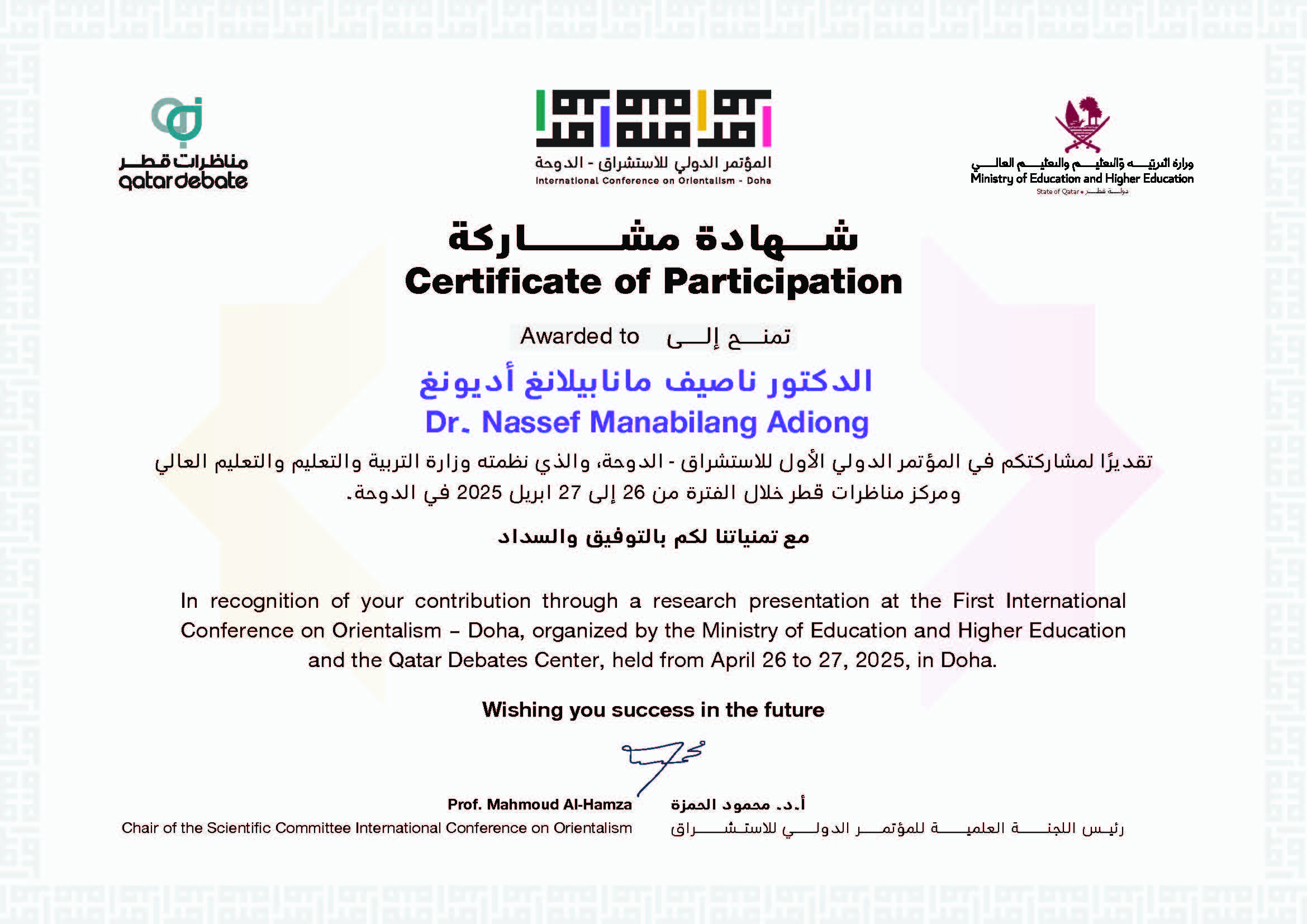


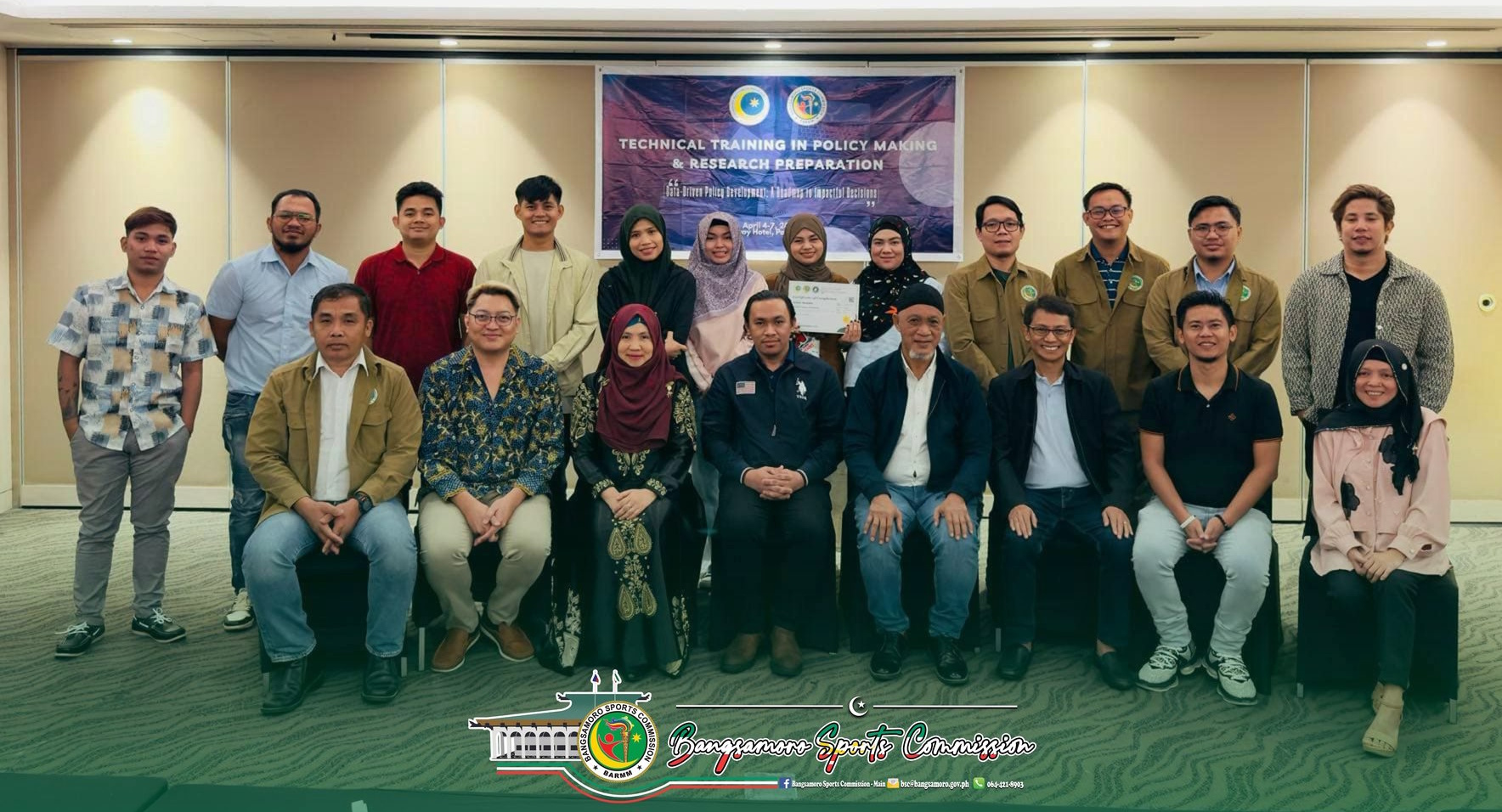


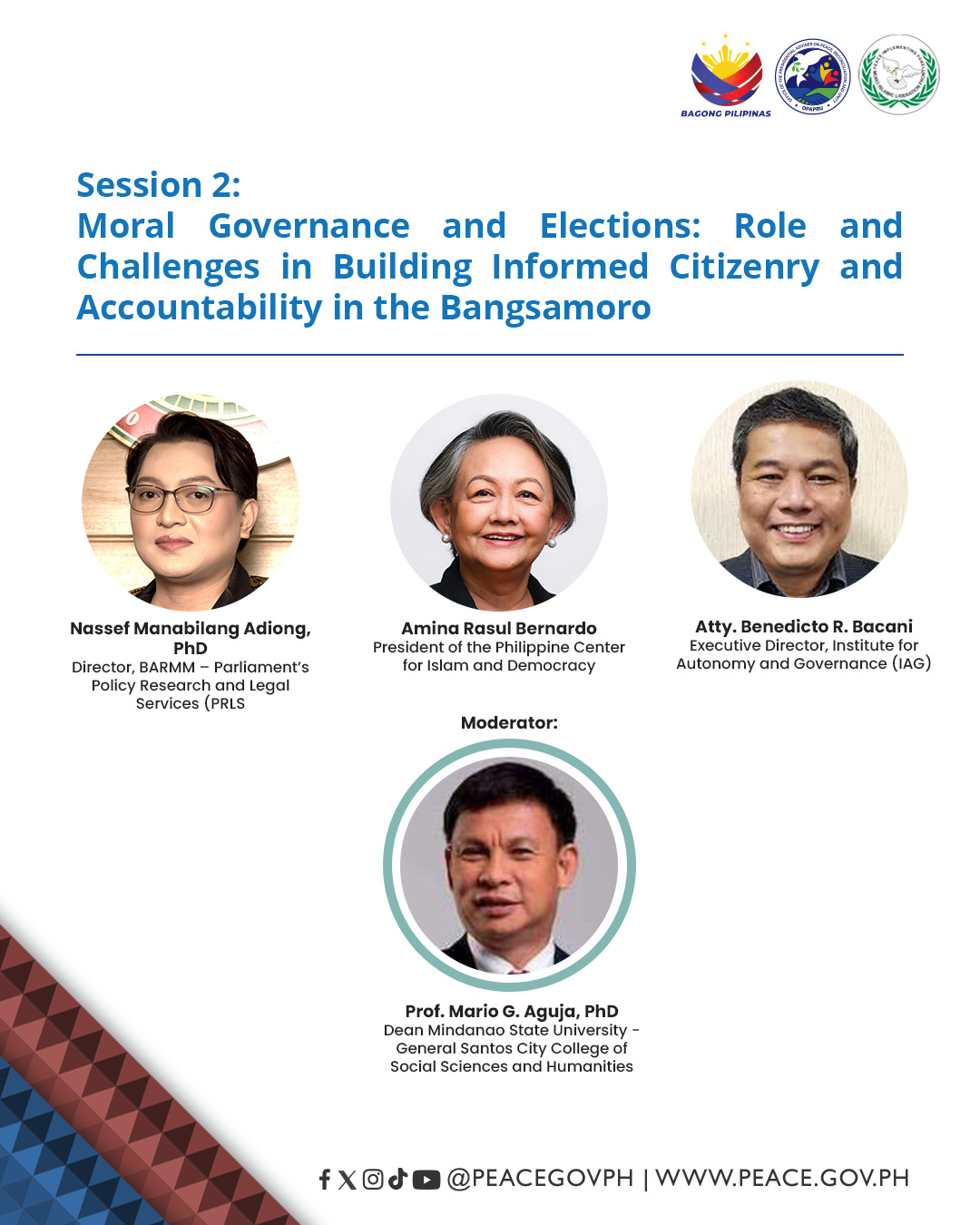


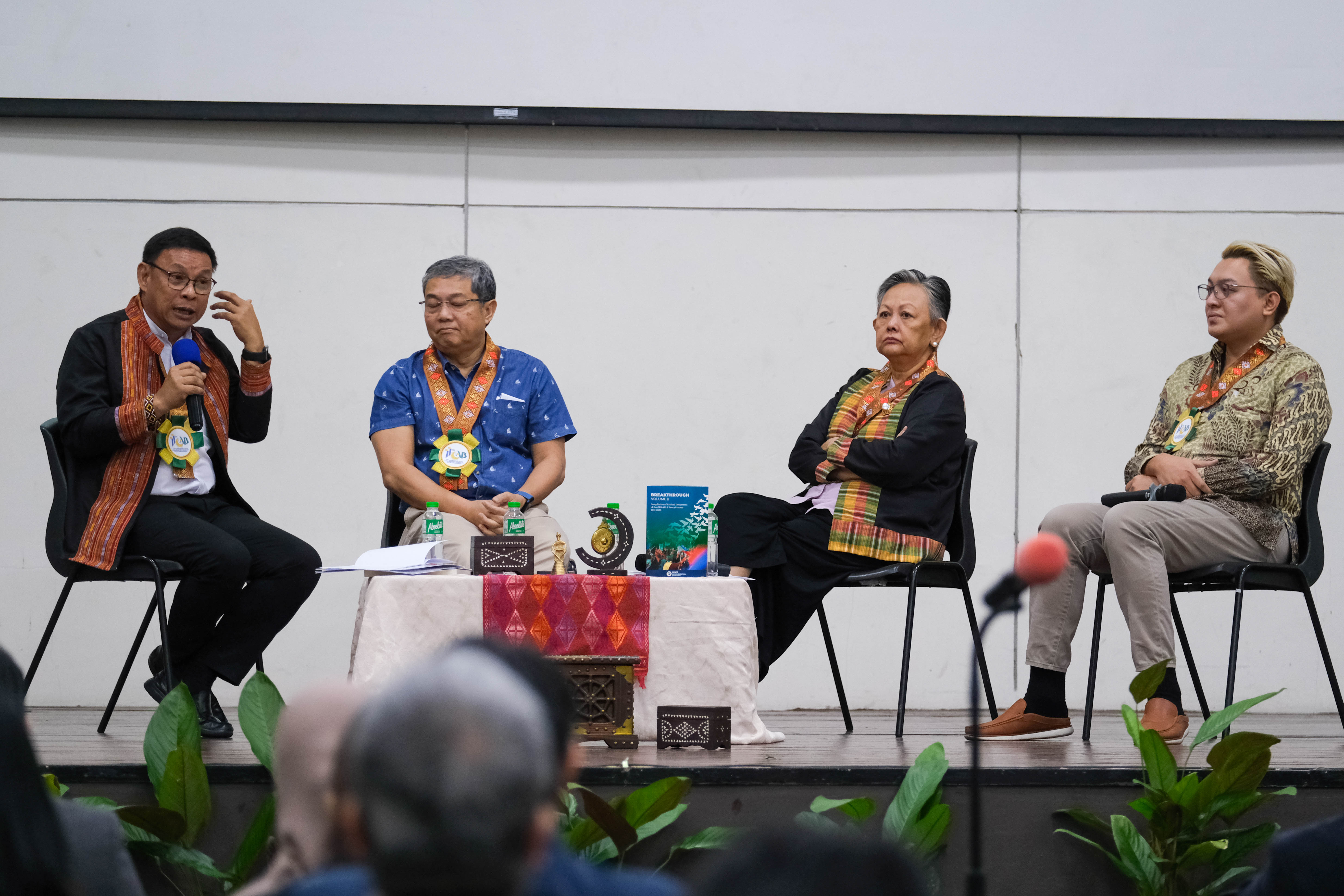


 Nassef Manabilang Adiong, PhD
You must be logged in to post a comment.