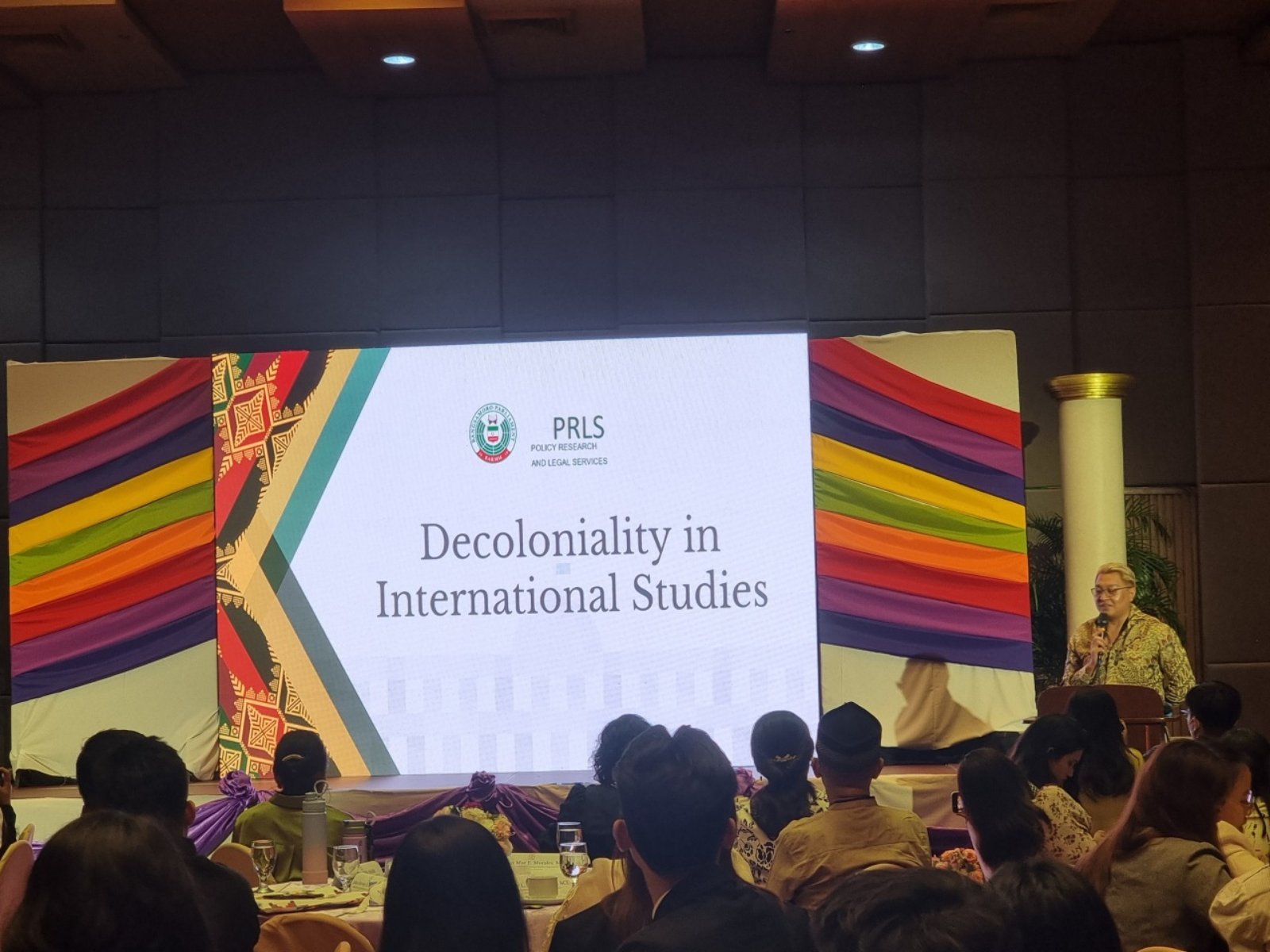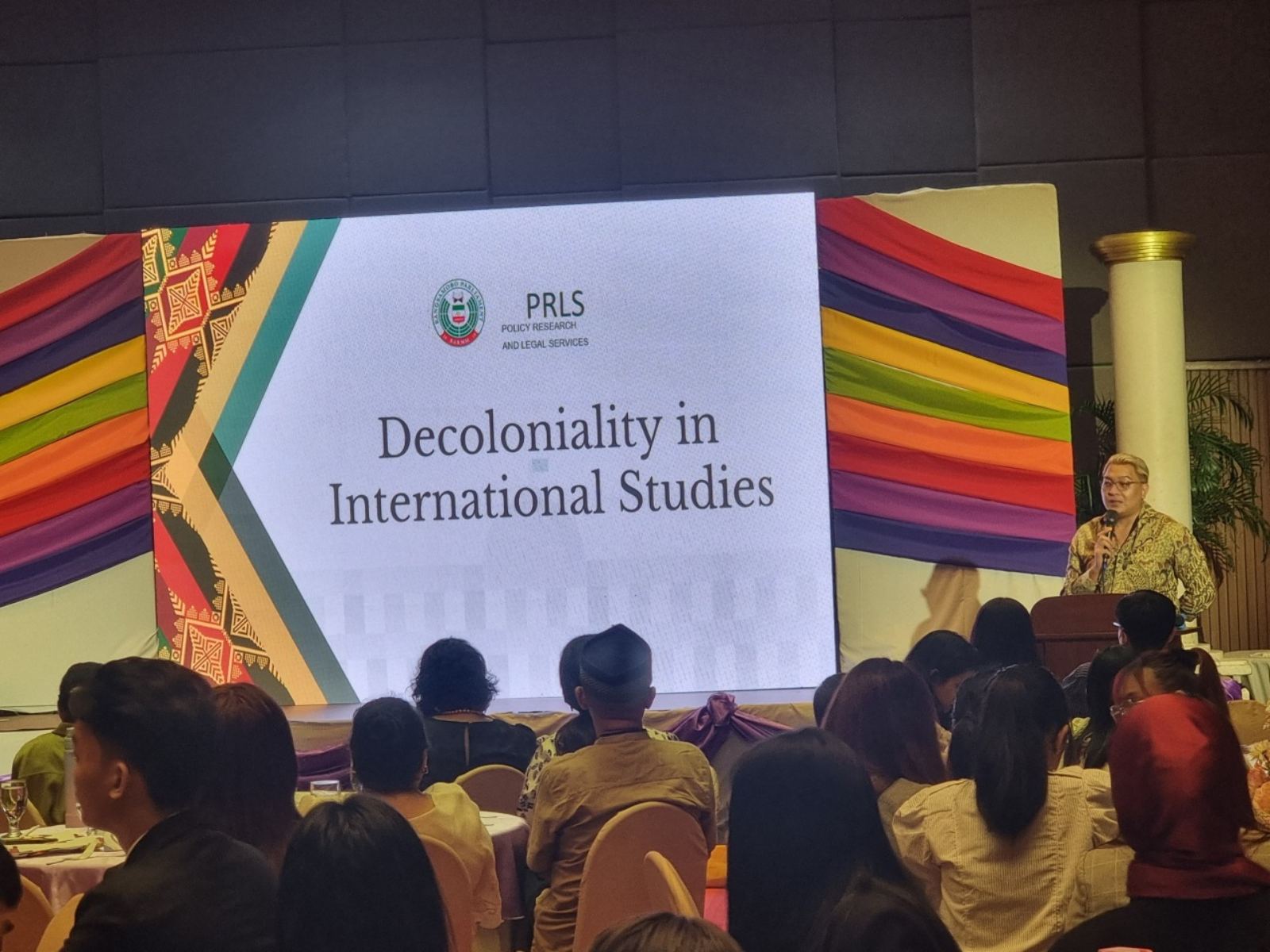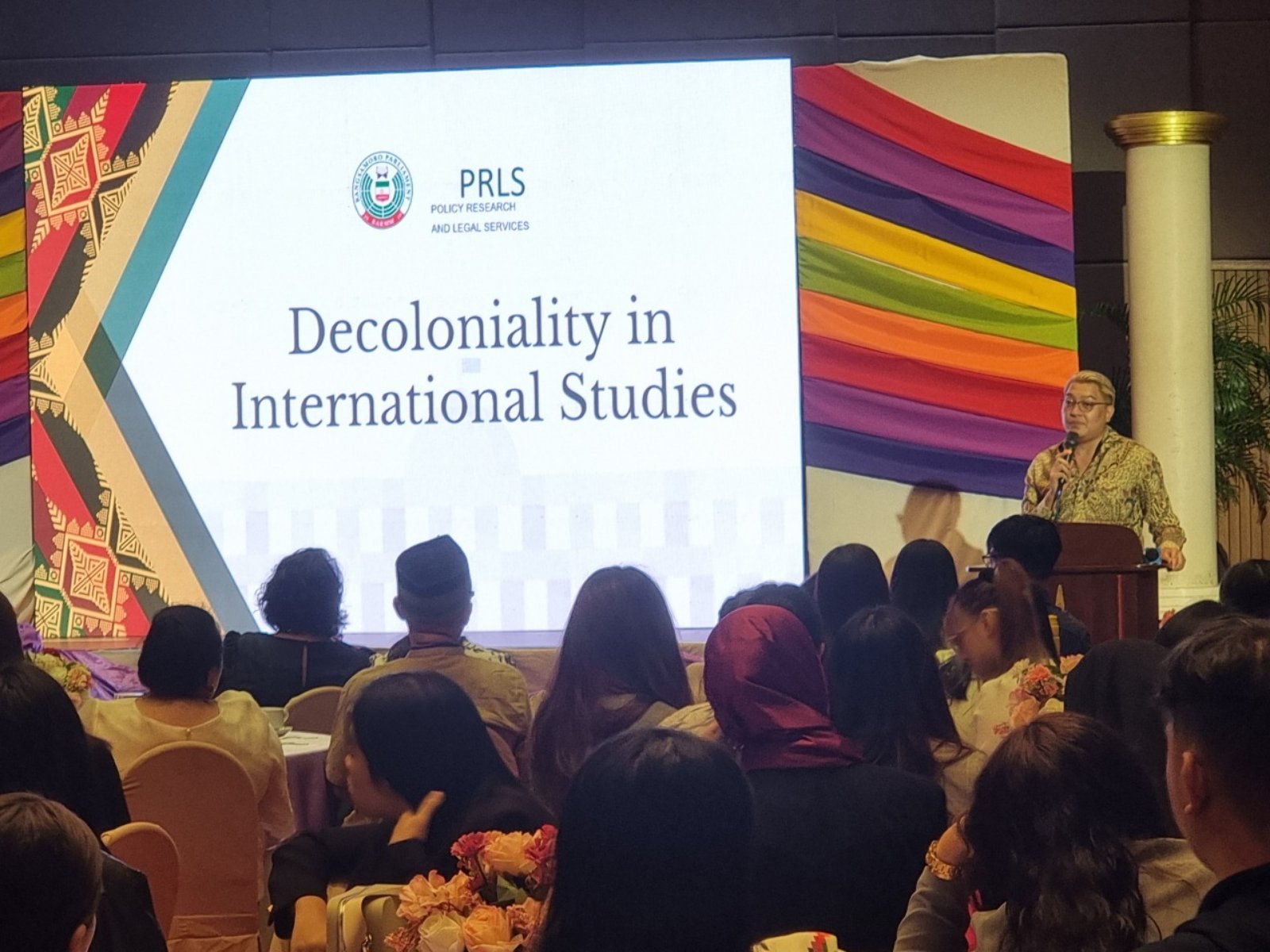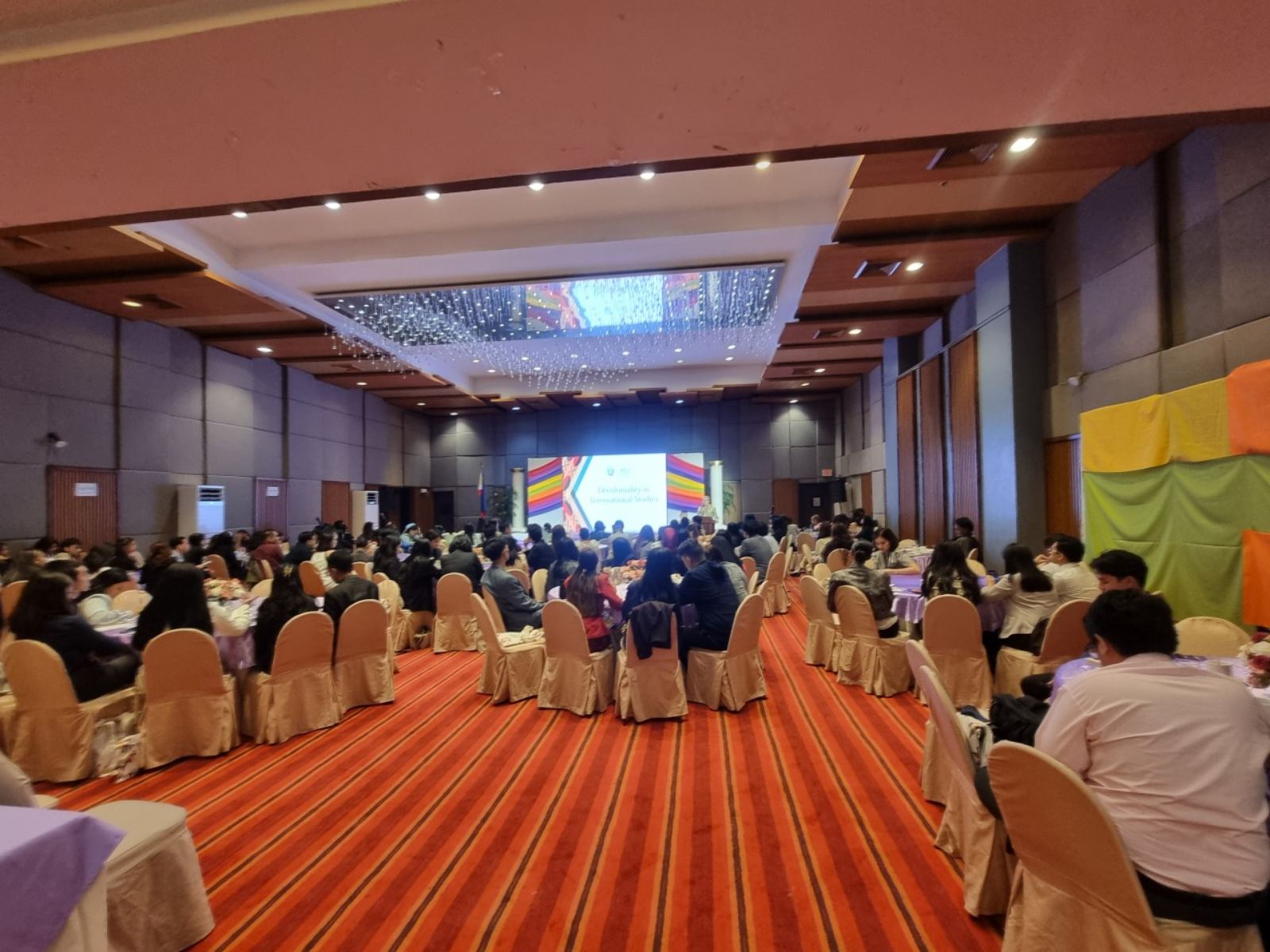
“PRLS Engages in Forum for a Resilient Middle Class in Bangsamoro”

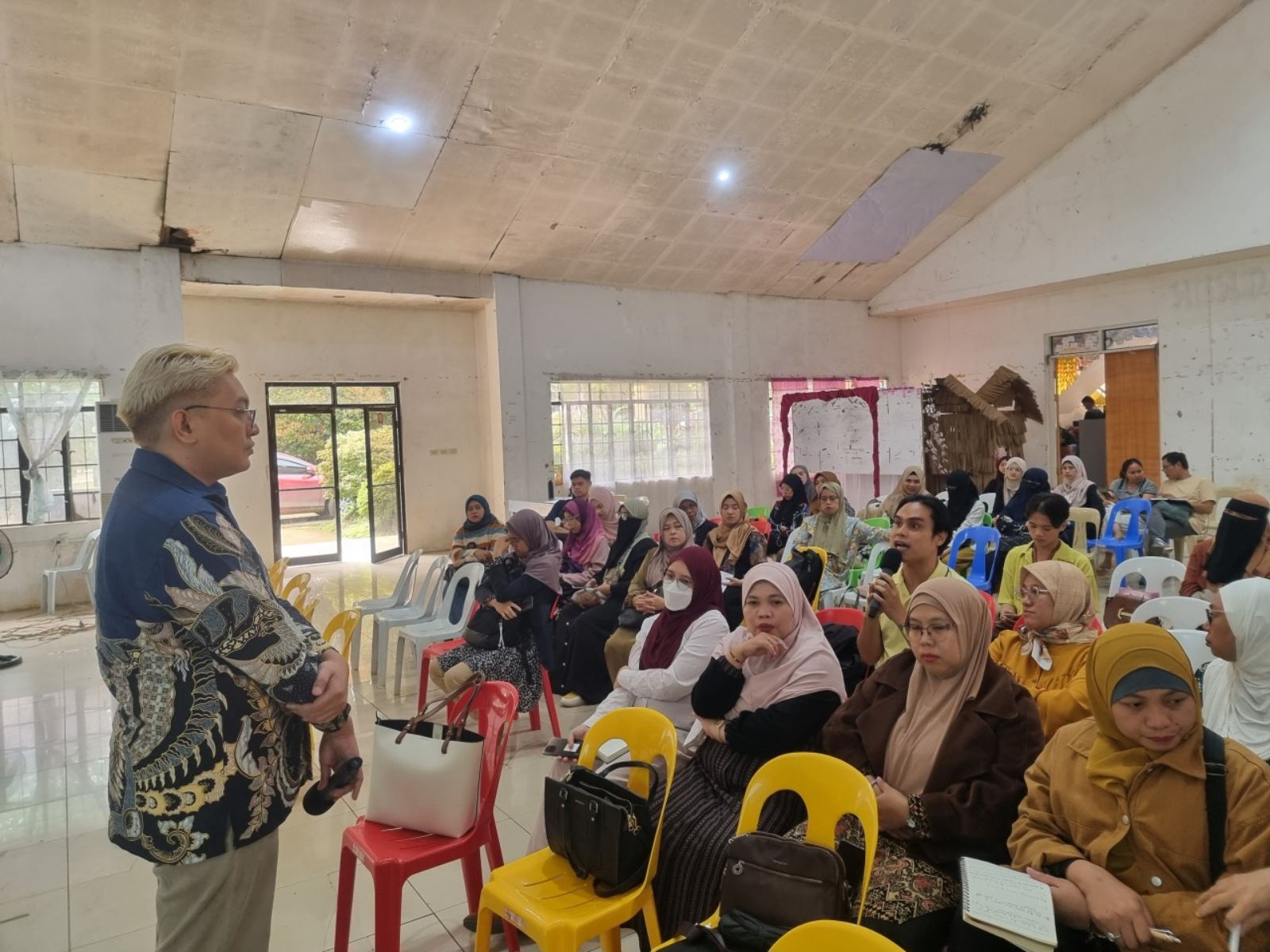
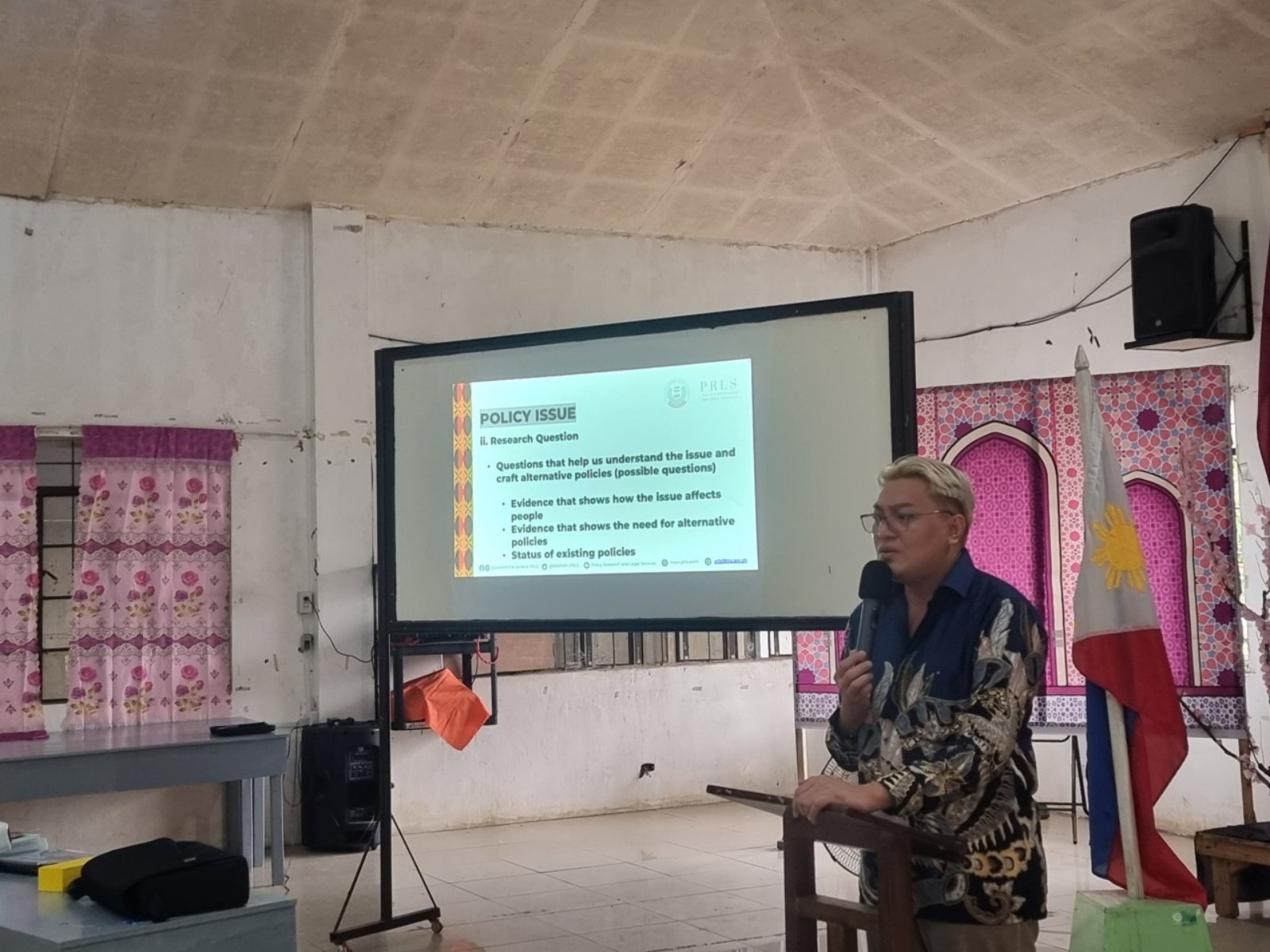
Policy Research and Legal Services (PRLS) participated in the forum titled “Securing a Future for All by Growing a Resilient Middle Class,” held on 25th September 2024 | 22 Rabi Al-Awwal 1446 AH at the Em Manor Hotel and Convention in Cotabato City. This significant event was conducted by the Bangsamoro Planning and Development Authority (BPDA) in collaboration with the BARMM Regional Statistical Committee.

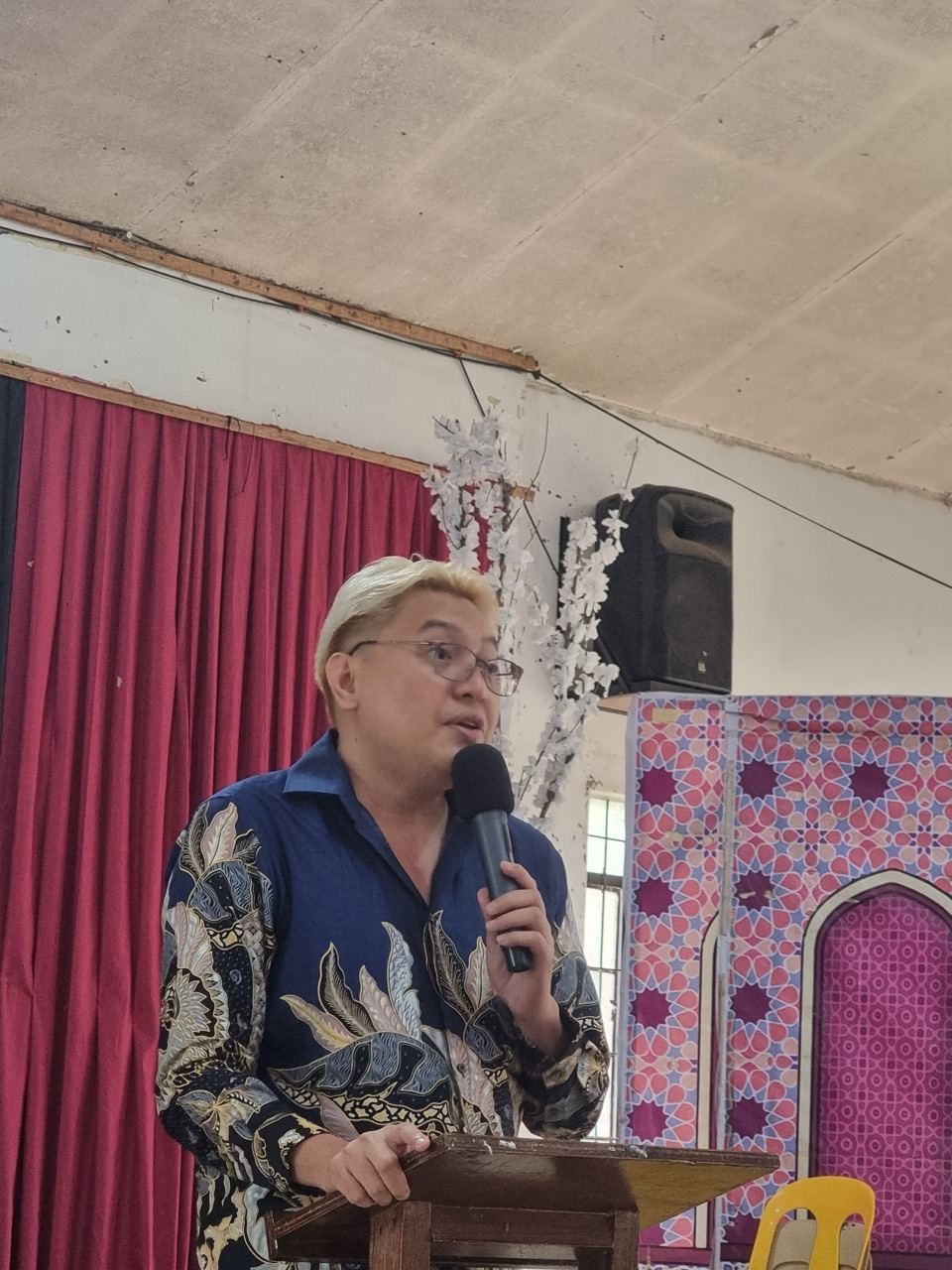
The forum aimed to raise awareness about Development Policy Research Month (DPRM) and introduce the newly crafted 1st Bangsamoro Development Policy Research Agenda (BDPRA). This agenda outlines critical areas for policy research and development within the region, focusing on enhancing socio-economic growth and financial inclusion. Mr. Vincent Casil, Chief of the Legislative Research Division (LRD), led a discussion on the challenges and opportunities surrounding these important topics in the Bangsamoro context.

Participating in this forum demonstrates a strong commitment to building an inclusive and resilient middle class in the Bangsamoro region. These discussions play a vital role in developing policies that tackle the specific challenges of the community and support long-term development.

How can policy research at the government level be leveraged to strengthen peacebuilding efforts in the BARMM and in the Philippines? What role does evidence-based policy play in shaping both localized and national strategies for peace and conflict resolution?


PRLS Participates in Supreme Court’s Review of Shari’ah Justice System

As part of the Supreme Court of the Philippines’ ongoing efforts to reform the Shari’ah justice system, Dr. Nassef M. Adiong, together with Ms. Asmin P. Abdullah, SCL, from the Policy Research and Legal Services–Legislative Measures and Legal Assistance Division (PRLS-LMLAD), and Mr. Gurhan Adan, SCL, from the Policy Research and Legal Services–Legislative Research Division (PRLS-LRD), participated in a focus group discussion (FGD) in Davao City from August 10 to 12, 2024. These discussions were part of the Institutional Review and Assessment of the Philippines’ Shari’ah Justice System (IRA-SJS), a Supreme Court initiative aimed at evaluating and improving Shari’ah courts.

The IRA-SJS is a cornerstone project of the Supreme Court’s Strategic Plan for Judicial Innovations (SPJI 2022-2027). This initiative seeks to align the Shari’ah justice system with the principles of justice, equity, efficiency, and inclusivity. The review also aims to provide evidence-based recommendations to enhance the system’s overall functionality, with a particular focus on addressing the needs of marginalized groups.

PRLS’s participation in the FGDs involved engaging with various stakeholders to assess the integration of innovations within the current Shari’ah justice framework. The event brought together representatives from the Bangsamoro Transition Authority, Shari’ah court judges, members of the academe, Shari’ah counselors, and local government officials to discuss key issues within the system.

The discussions included a modified SWOT analysis to identify the strengths, weaknesses, opportunities, and threats faced by the Shari’ah justice system. Stakeholders examined various aspects, including the system’s impact on marginalized communities, the effectiveness of Alternative Dispute Resolution (ADR), and the competencies required of Shari’ah judges and practitioners. Participants also explored the feasibility of establishing additional Shari’ah courts and a Shari’ah High Court, as well as legal amendments necessary to improve the system.

PRLS played a key role in documenting the discussions with Shari’ah Counselors-at-Law, which will contribute to policy recommendations for the Supreme Court. These recommendations are expected to enhance the responsiveness and inclusivity of the Shari’ah justice system while ensuring its alignment with national and global standards of judicial innovation.

The Supreme Court’s initiative underscores its commitment to improving the Shari’ah justice system’s overall performance, making it more accessible and effective for all Filipinos, particularly those in the Bangsamoro region