Islam and International Relations (IR): why is there no Islamic IR theory? by Ali Bakir

International Relations (IR) as an academic discipline is relatively new and almost entirely dominated by Western sources of knowledge. Its biased nature undermines its capacity to understand, explain and predict events in the non-Western part of the world. With the increasing effort to explore non-Western IR and diversify the sources of knowledge of the discipline, Islam has emerged as an essential source of interest, not necessarily as a reflection of the East–West dichotomy or non-Western versus Western discourse, but rather as an approach that has its own rules, concepts and perspectives on IR. In this sense, the article contributes to the increasing discussions on the interaction between Islam and IR. It critically engages with three levels of discourse: first, IR in Islam; second, Islam in contemporary IR; and, third, Islam as an IR theory or as a paradigm. The paper attempts to address the question of why there are no modern Islamic IR theories by exploring reasons related to Muslims as well as to the nature of the current system and Western hegemony. It concludes by introducing an initial model and two paths (traditional and revolutionary) that might help mitigate this situation in the future.

To download the article, click here.

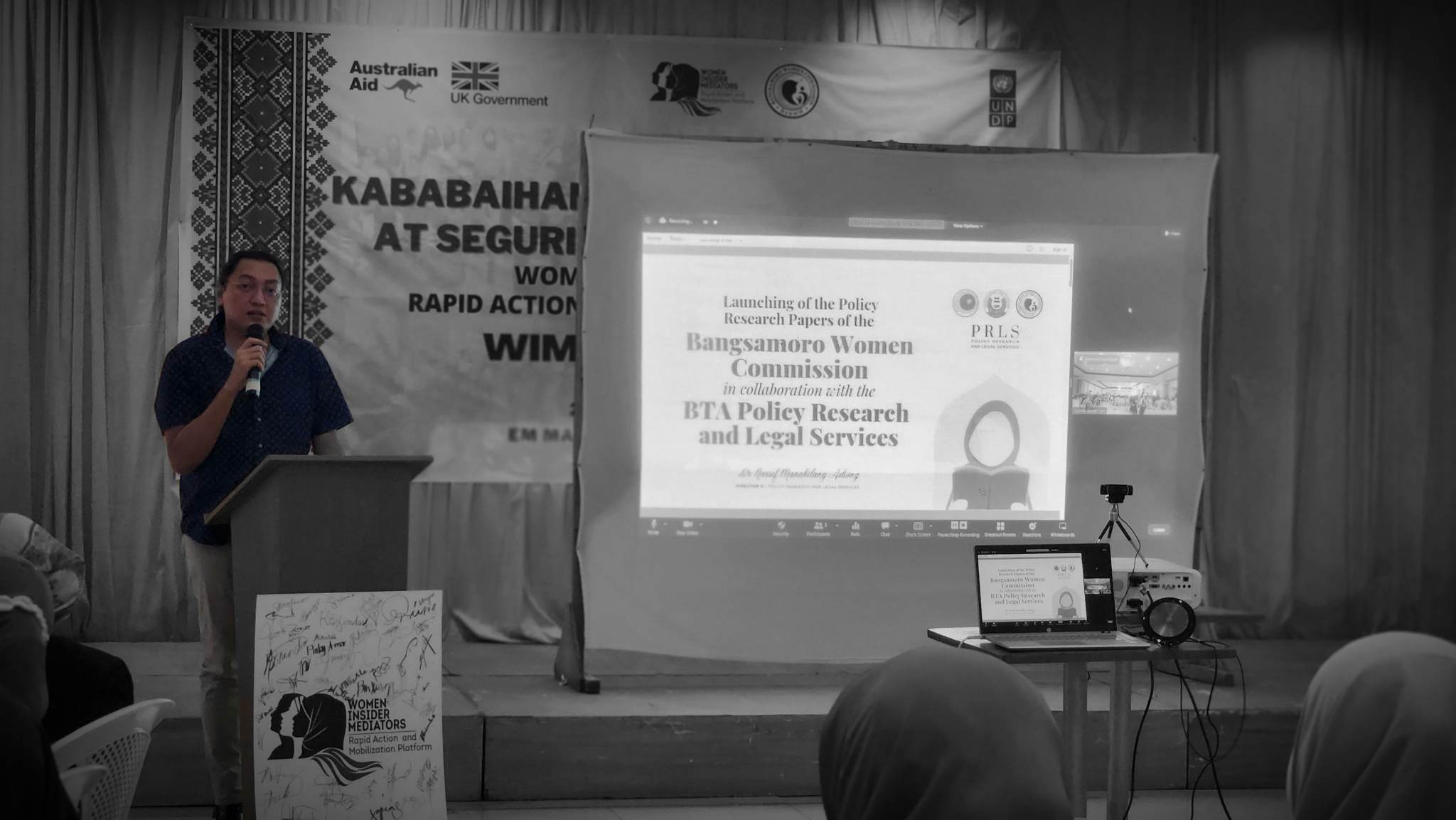
Kababaihan para sa Kapayapaan at Seguridad saBangsamoro: Learning Exchange and Strategy Workshop on Women, Peace and Security in the Bangsamoro Autonomous Region in Muslim Mindanao

In commemoration of the adoption of United Nations Security Council Resolution 1325 focusing on Women, Peace and Security and acknowledging the significant role of women peacebuilders and mediators in conflict prevention and peacebuilding in the BARMM, the United Nations Development Programme will collaborate with the members of the Women Insider Mediators-Rapid Action and Mobilization Platform (WIM-RAMP) and the Bangsamoro Women Commission in conducting a learning exchange and strategy workshop on Women, Peace and Security in the BARMM. The WIM-RAMP is a group of community-based women peacebuilders and mediators from Moro and Indigenous Peoples communities in the BARMM.

WIM-RAMP members have committed to work together towards the following initiatives: (1) implementation of humanitarian response initiatives in conflict areas; (2) advocacies against Violence Against Women and Children, gender-based violence, and child, early and forced marriage; (3) community-based mediation and early warning and response; and, (4) advocacy on prevention of violent extremism/promotion of peaceful engagement.

Entitled “Kababaihan para sa Kapayapaan at Seguridad sa Bangsamoro” (Women for Peace and Security in the Bangsamoro), this initiative will be conducted on 28-30 November 2022 in Cotabato City, in partnership with the WIM-RAMP and the Bangsamoro Women Commission. WIM-RAMP members will participate in this activity, to be undertaken with the following objectives:

(1) Facilitate learning sessions to deepen appreciation on Women, Peace and Security among WIM-RAMP members;

(2) Facilitate dialogues with BARMM ministries, BTA members (women MPs), civil society organizations and peace mechanisms;

(3) Formulate engagement strategy for women peacebuilders and mediators towards strengthening meaningful inclusion and participation in conflict prevention and peacebuilding in the BARMM; and,

(4) Develop agenda for women peacebuilders and mediators in the BARMM.

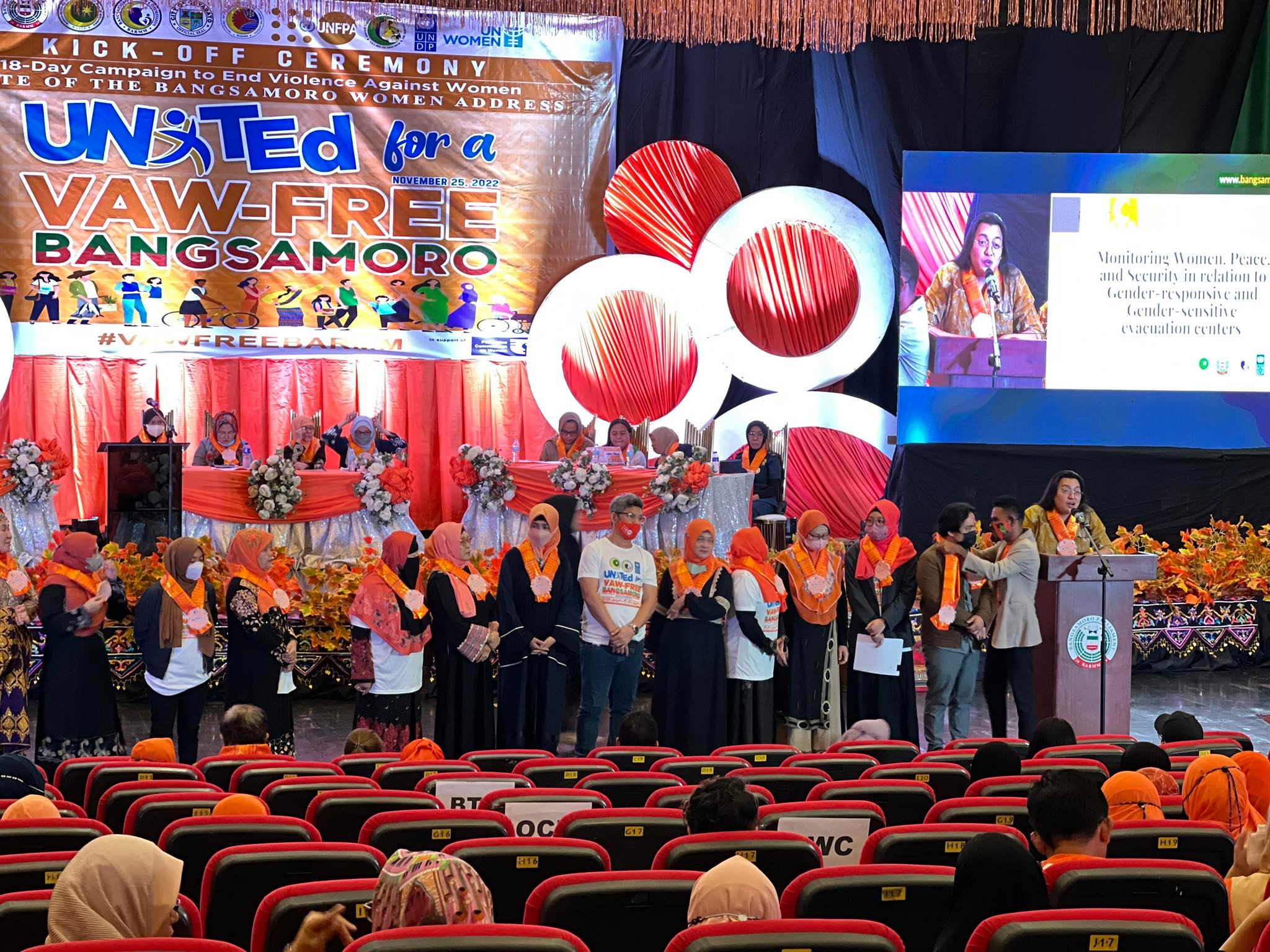
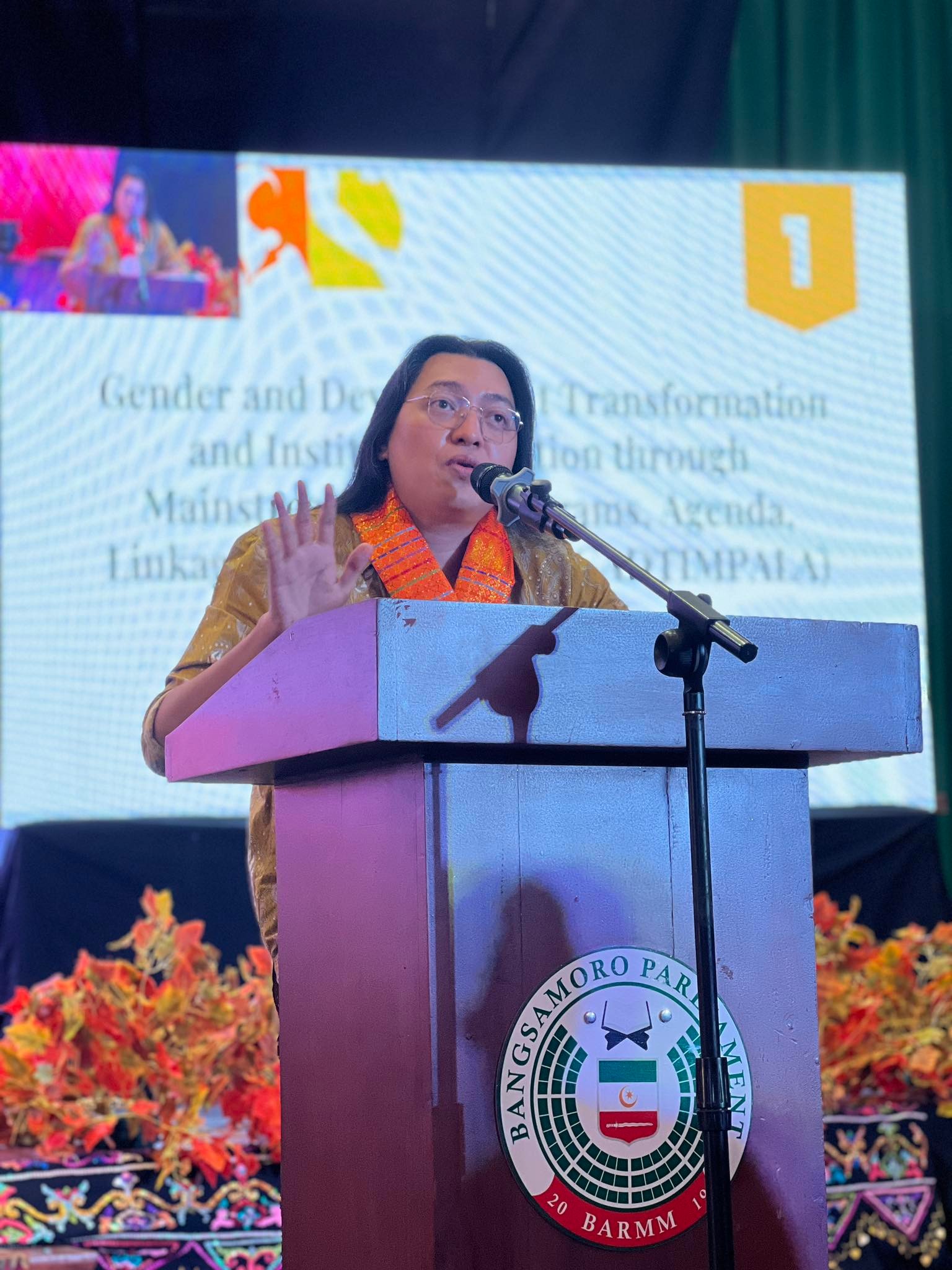
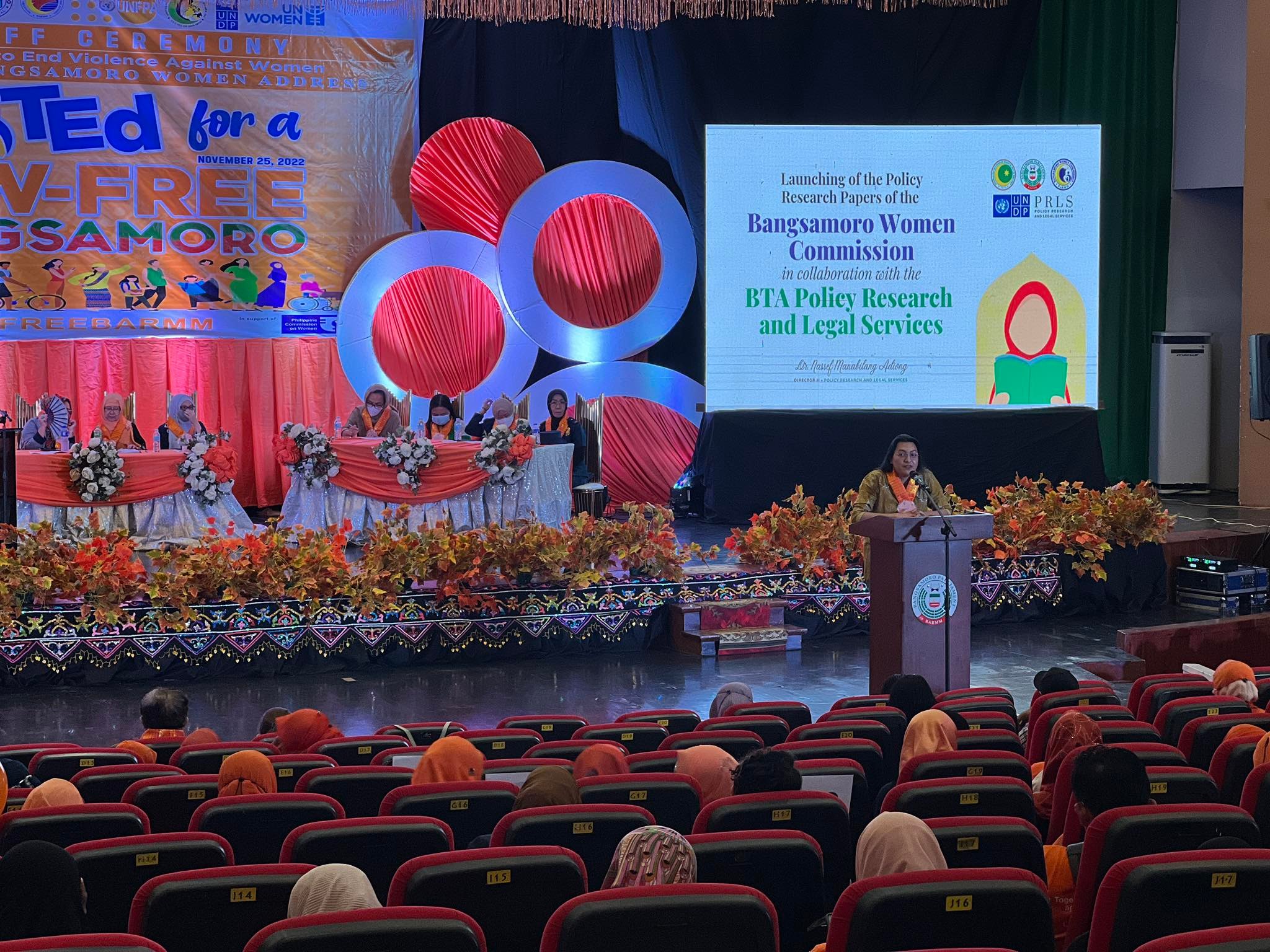
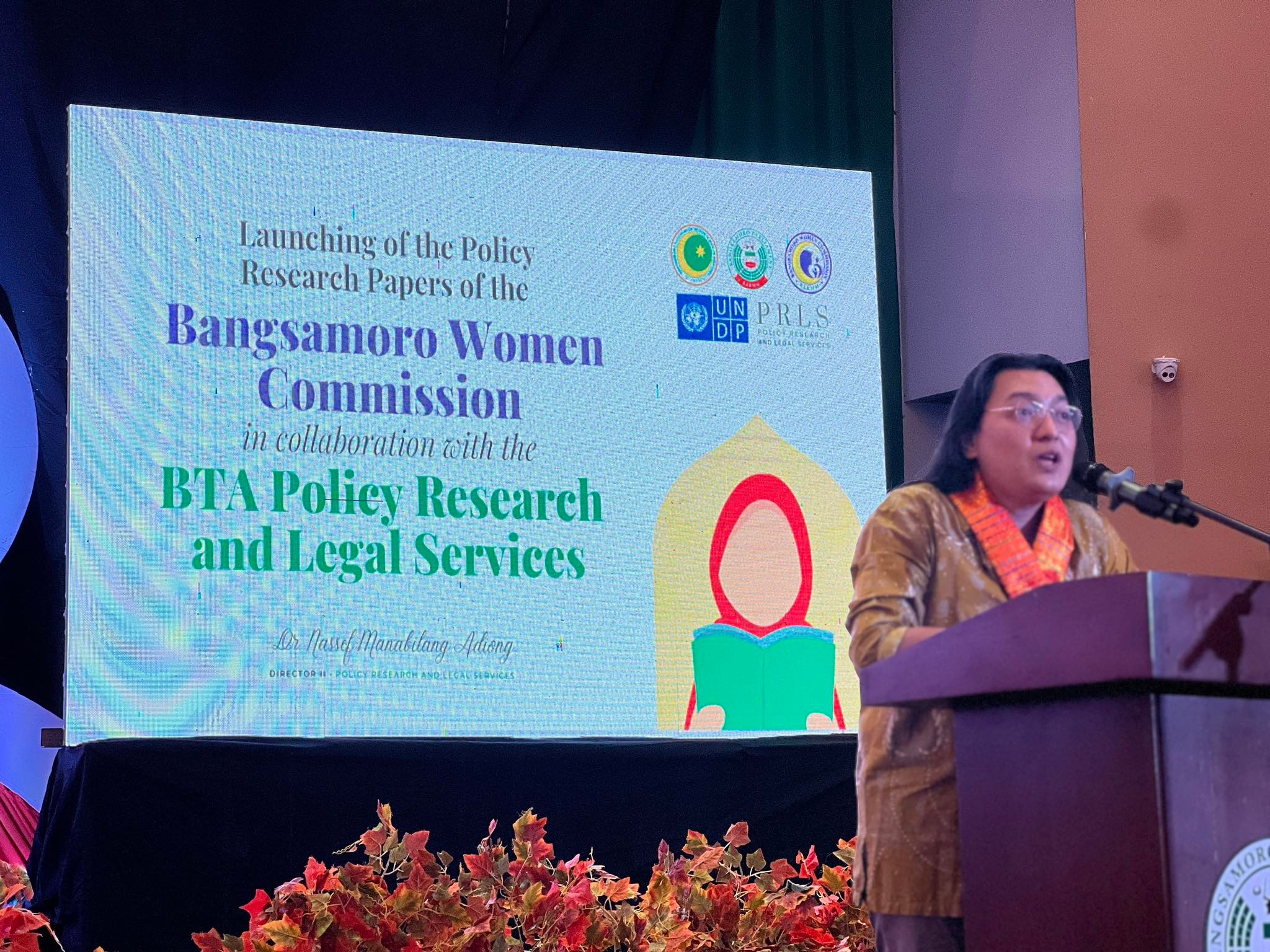
Launching of 7 Policy Research Papers of the Bangsamoro Women Commission in collaboration with the Policy Research and Legal Services

The seven policy research papers are:

1. Gender and Development Transformation and Institutionalization through Mainstreaming of Programs, Agenda, Linkages and Advocacies (GADTIMPALA) award in BARMM

2. Creation of Women Para-Legal at the Community Level for the Prevention of Gender-based Violence

3. Development of Gender Responsive Protocols for CEFM, GBV, and VAW cases in BARMM

4. Gender Disaggregated Data on Education, Employment, and Governance.

5. Strengthening Gender Sensitivity Humanitarian Response in Natural and Anthropogenic Hazards in BARMM

6. Development of Magna Carta on Women

7. Monitoring Women, Peace, and Security in relation to Gender-responsive and Gender-sensitive evacuation centers

PRLS meets interns from Office of the Deputy Speaker MP Alamia, focal persons from MHSD

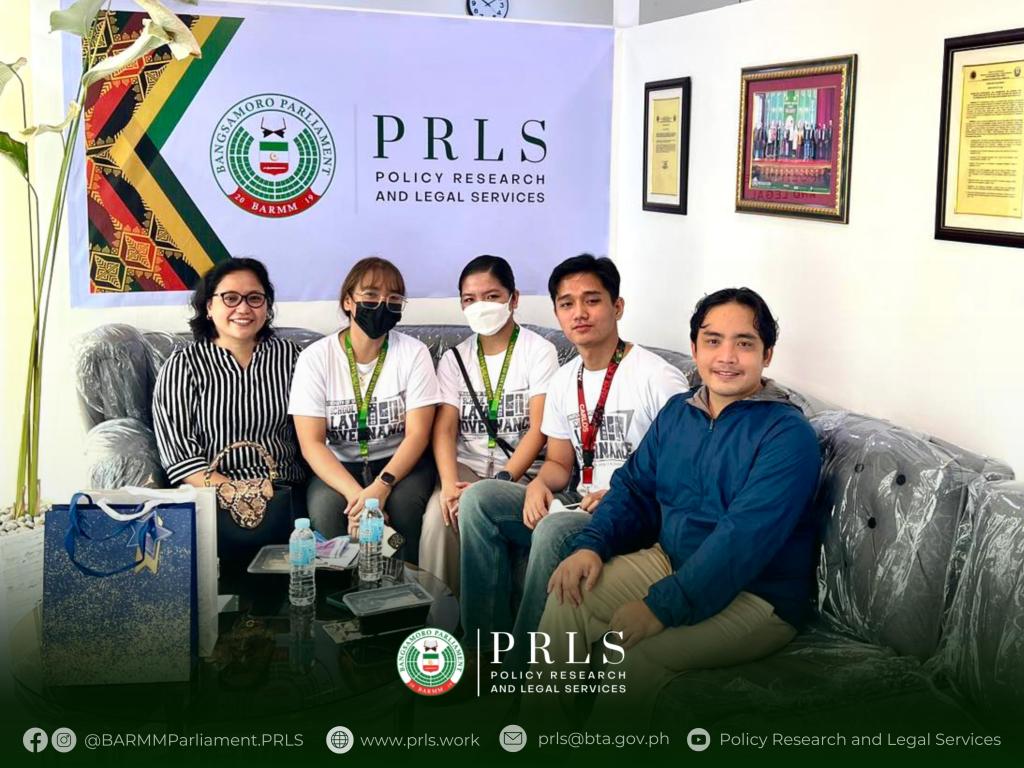
On October 18, 2022, the PRLS received courtesy visits from the interns of Deputy Speaker MP Laisa Masuhud Alamia, namely, Butch Nadores Arma Jr., Fatima Ayesha Unni, and Shania Omerez Madelo from the University of San Carlos-Cebu City.

The Office of the Service Director (OSD) welcomed and oriented the students on how the PRLS workforce functions and delivers outputs for the Bangsamoro Parliament.

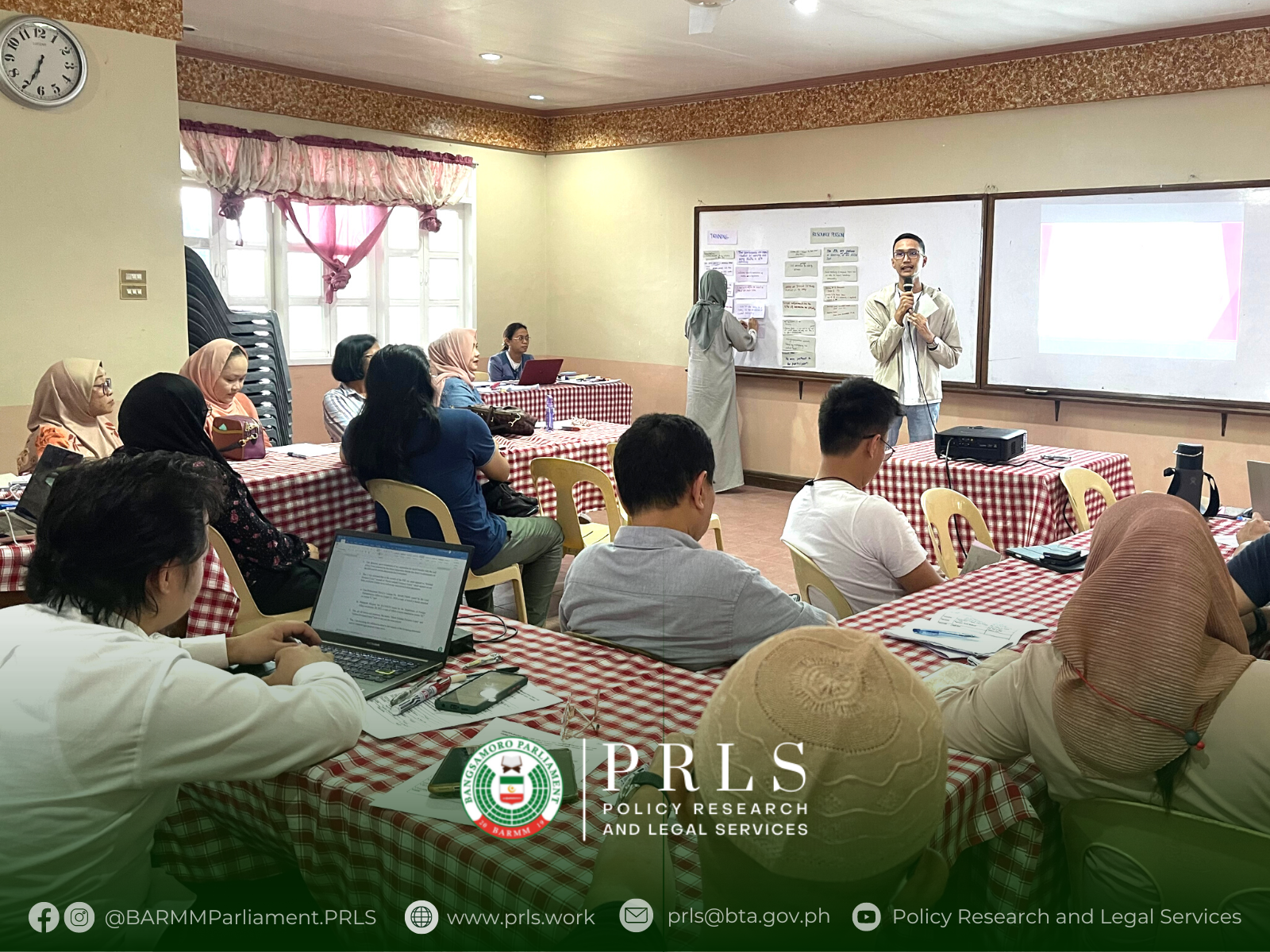
On the next day, October 19, Director Nassef Manabilang Adiong, together with some of the technical staff from the OSD, LRD, and LMLAD, had a coordination meeting with Ms. Jehanna Abdulkarim and Ms. Ammarah Taug of the Policy Coordination and Development Division (PCDD) of MHSD. Both offices agreed to organize a policy research writeshop event. 

| via Shahid B. Calalagan

PRLS Director Adiong, GADFPS visits BTA Satellite Office in Tawi-Tawi

PRLS Director Nassef Manabilang Adiong, together with the BTA’s Gender and Development Focal Point System (GADFPS), visited the BTA Satellite Office in Tawi-Tawi to meet with Provincial Coordinator Mr. Teodorico Toring and his staff.

In the meeting, they discussed the office’s accomplishments, including the challenges they have faced. 

Said office is among the five BTA Satellite Offices established in the Bangsamoro region to assist in the coordination and implementation of programs, projects, and activities of the regional government.

| via Gurhan A. Adan