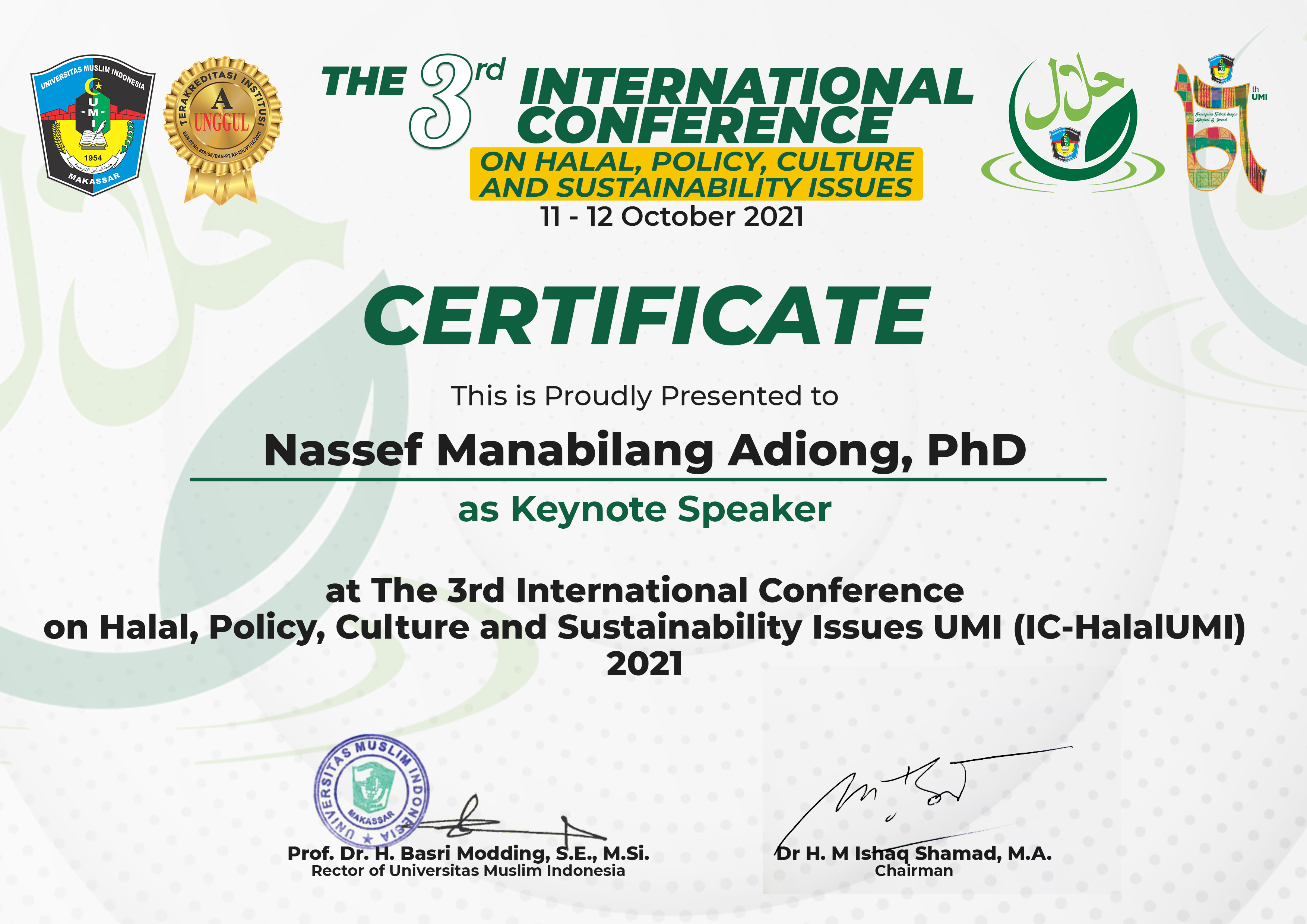
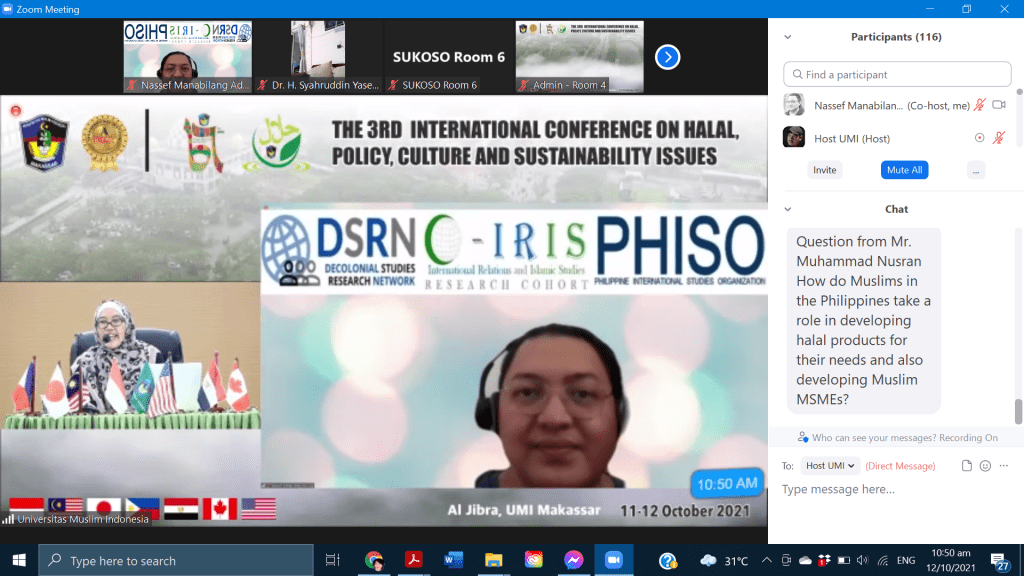
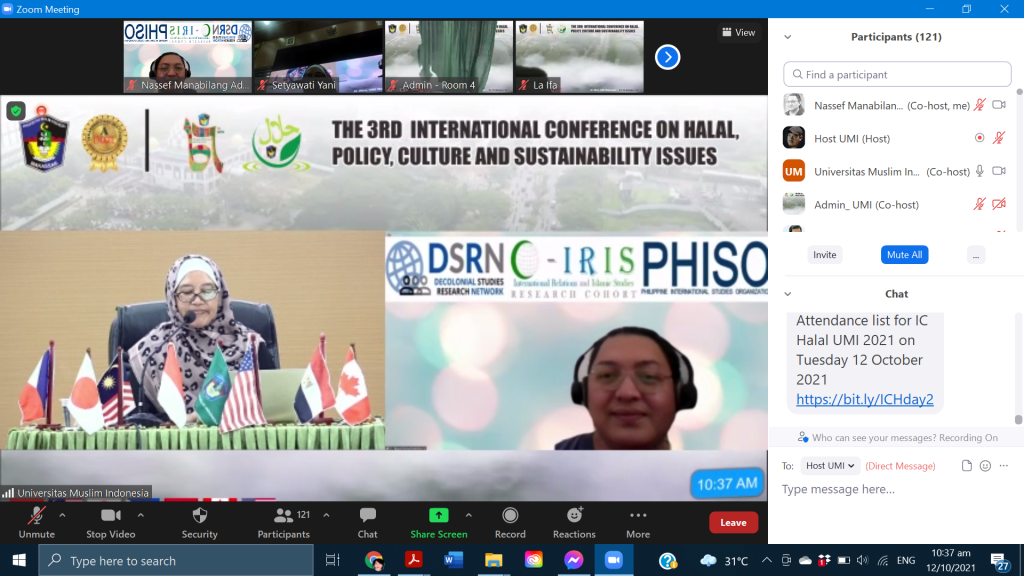
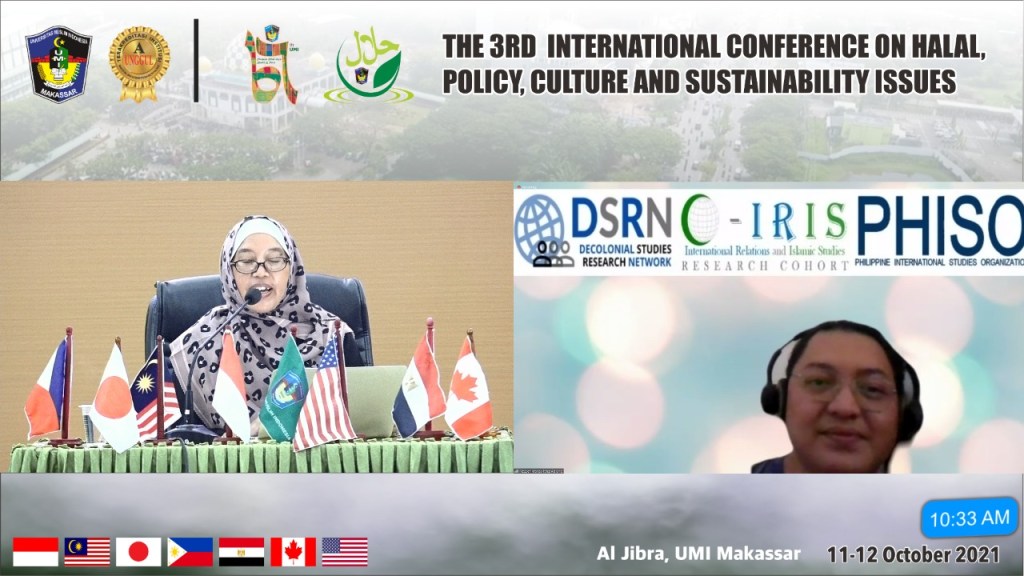
Halal, Culture and Sustainability issues in the Philippines

Nassef is the founder of PHISO (Philippine International Studies Organization), BRLN (Bangsamoro Research and Legal Network), DSRN (Decolonial Studies Research Network), and Co-IRIS (International Relations and Islamic Studies Research Cohort). He researches policy issues affecting the Bangsamoro society and explores decolonial knowledge sources of the global south as well as interdisciplinary study between Islam and International Relations.
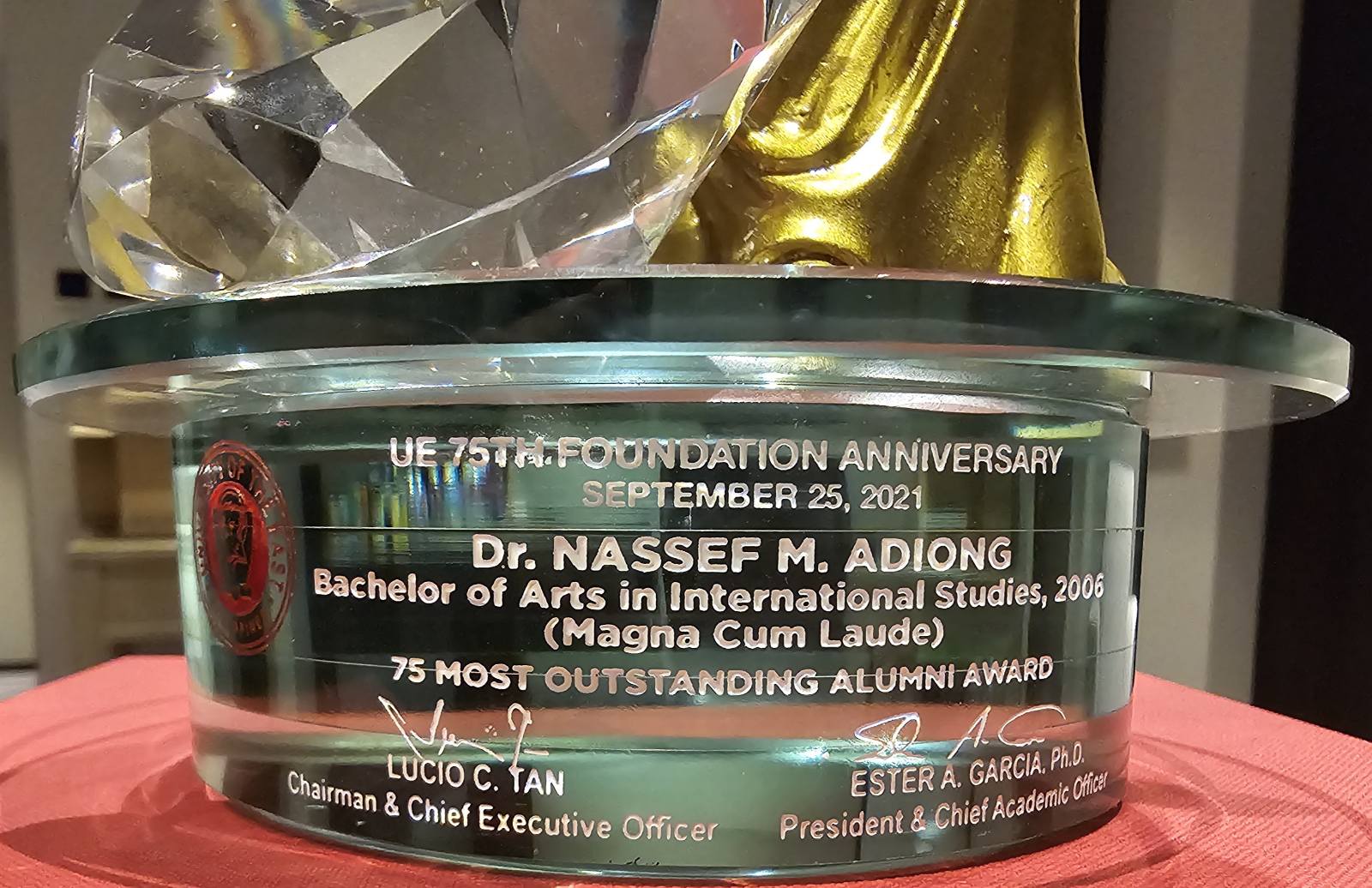
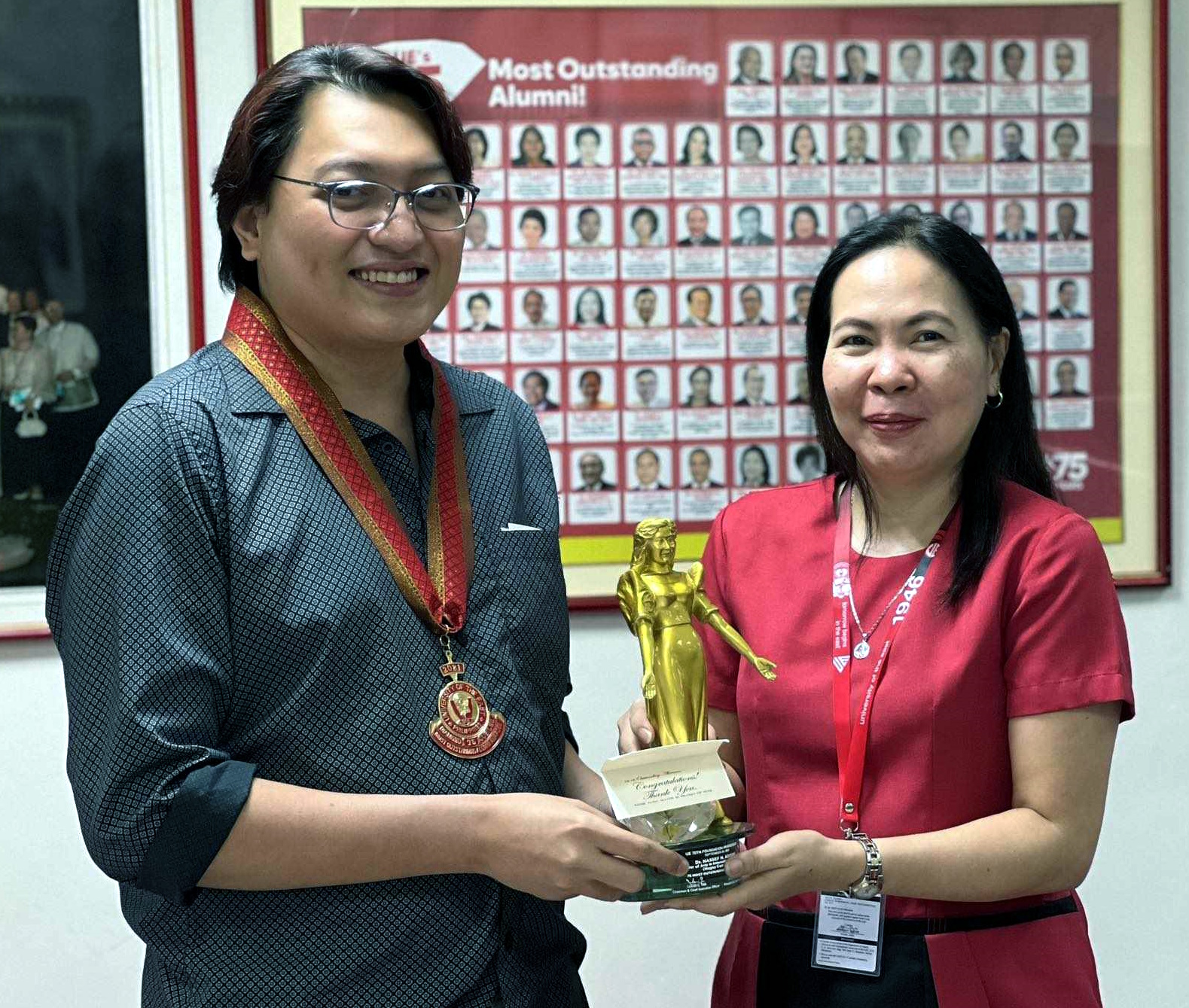
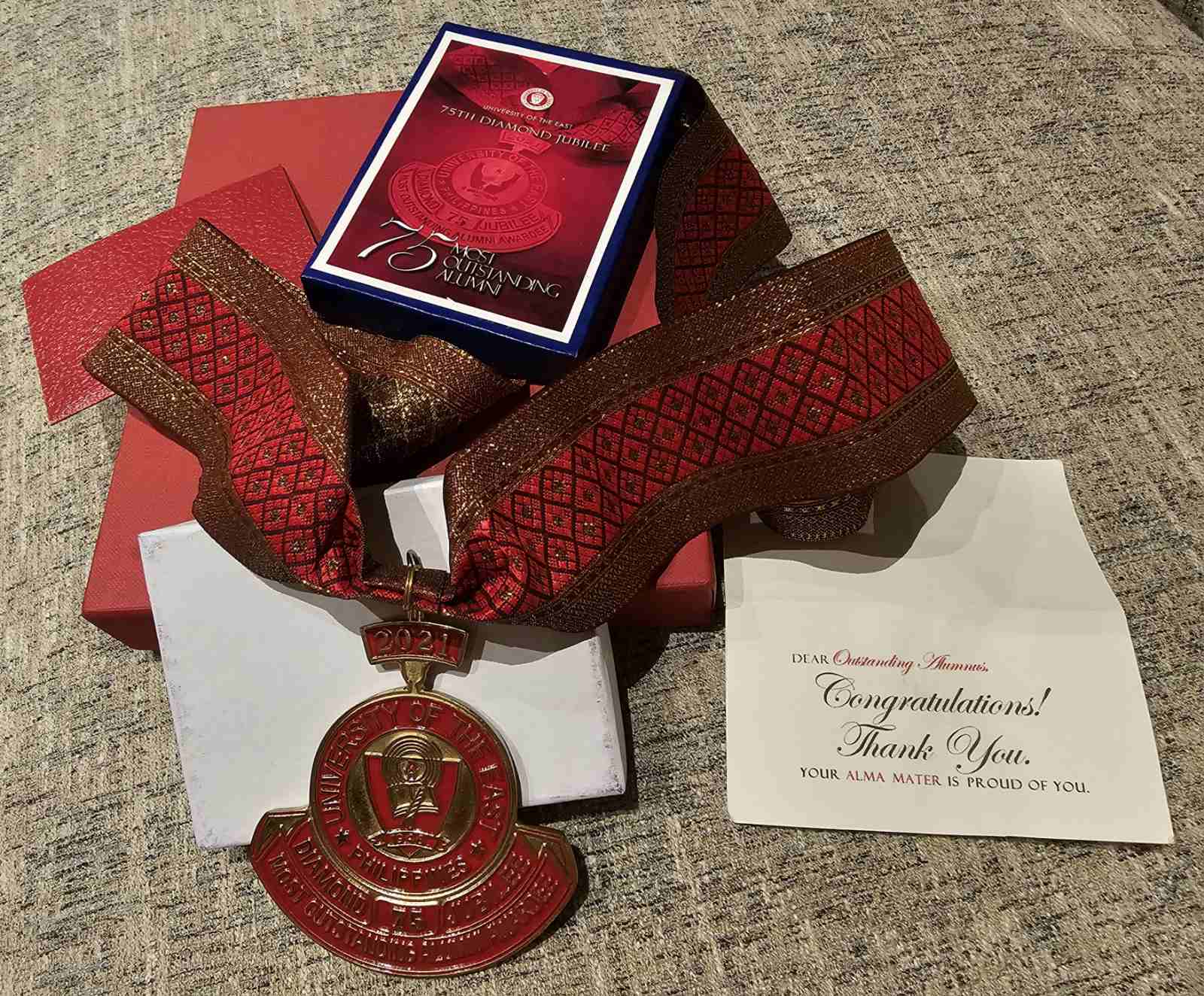
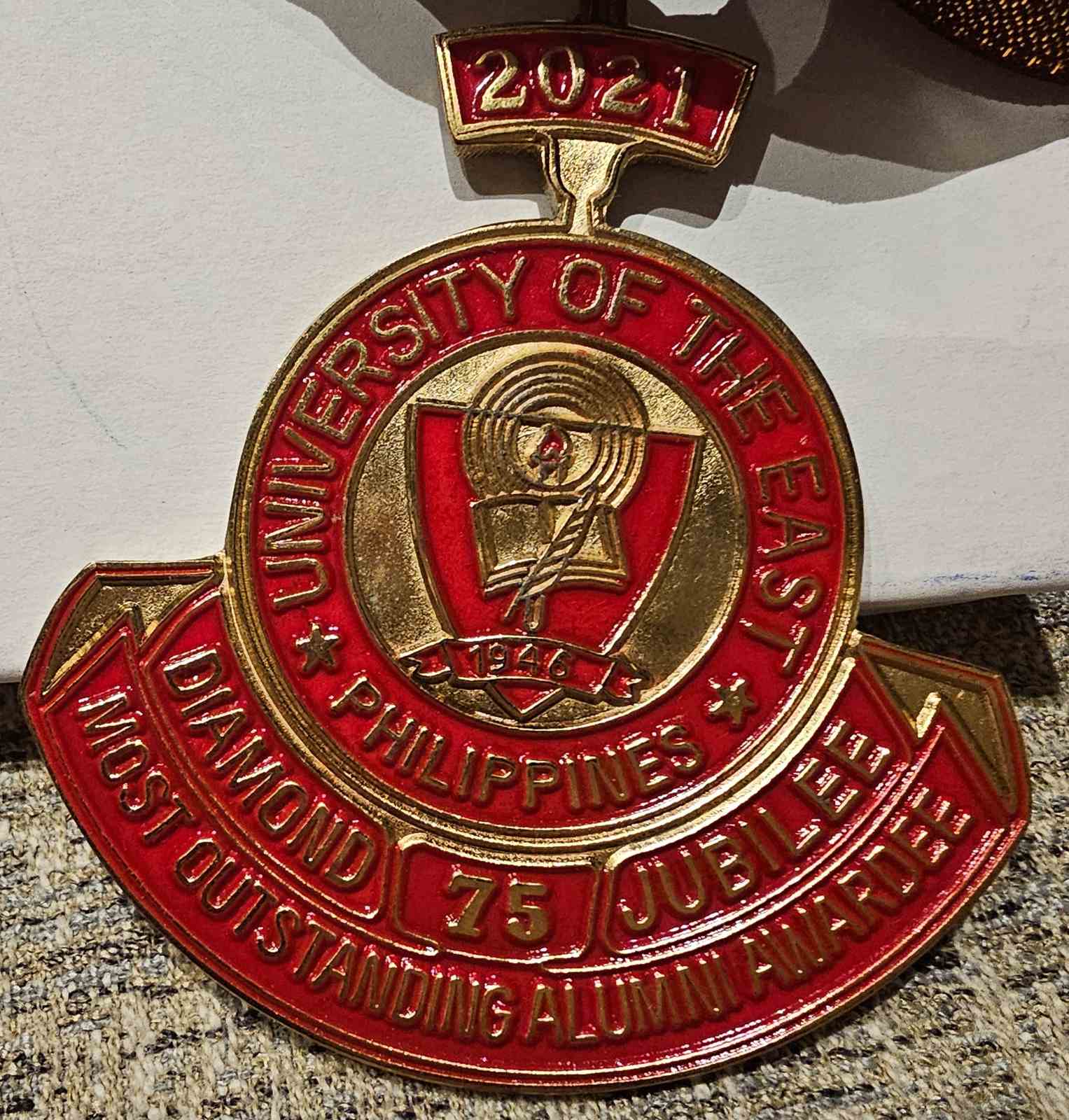
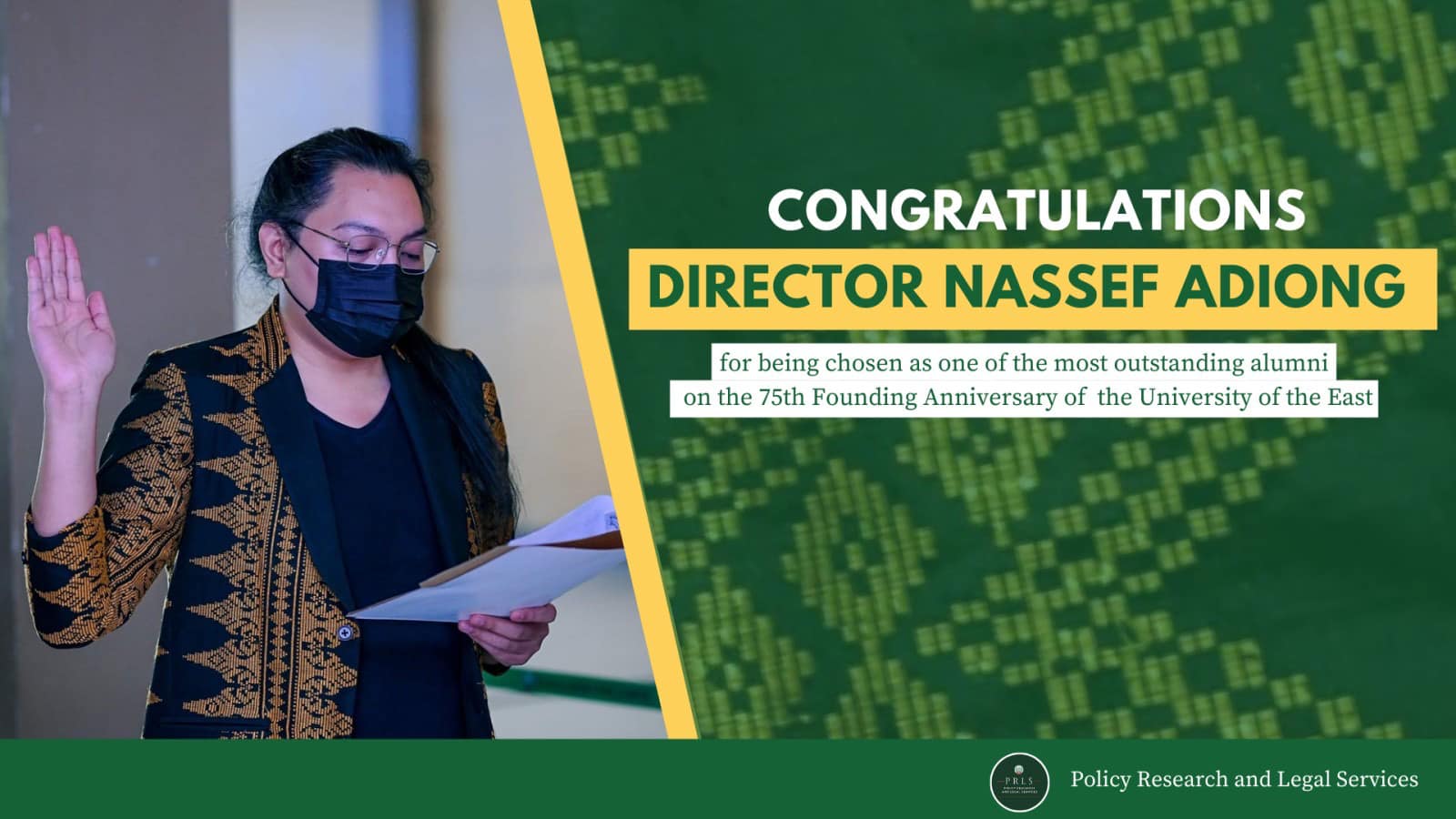
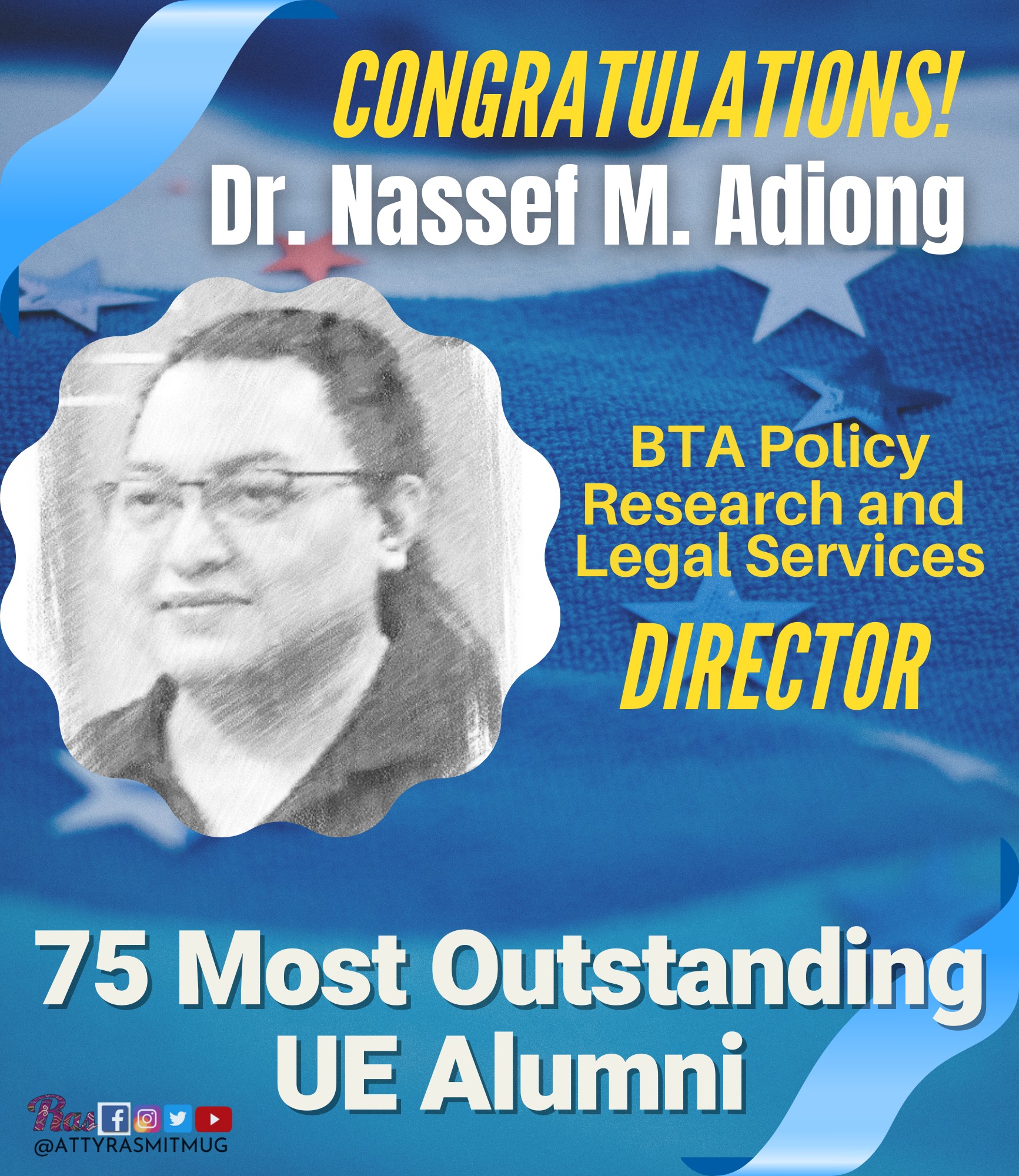
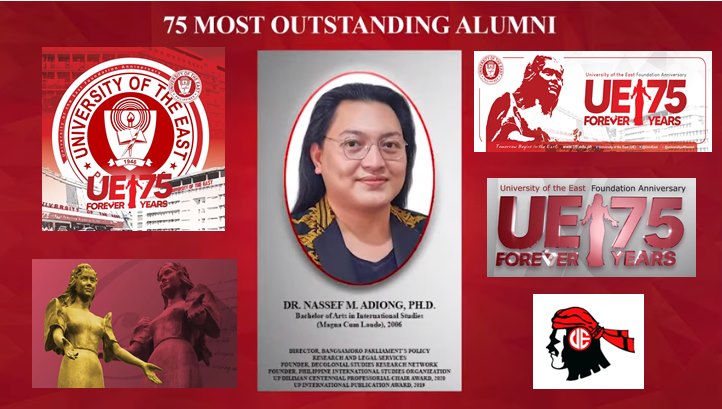
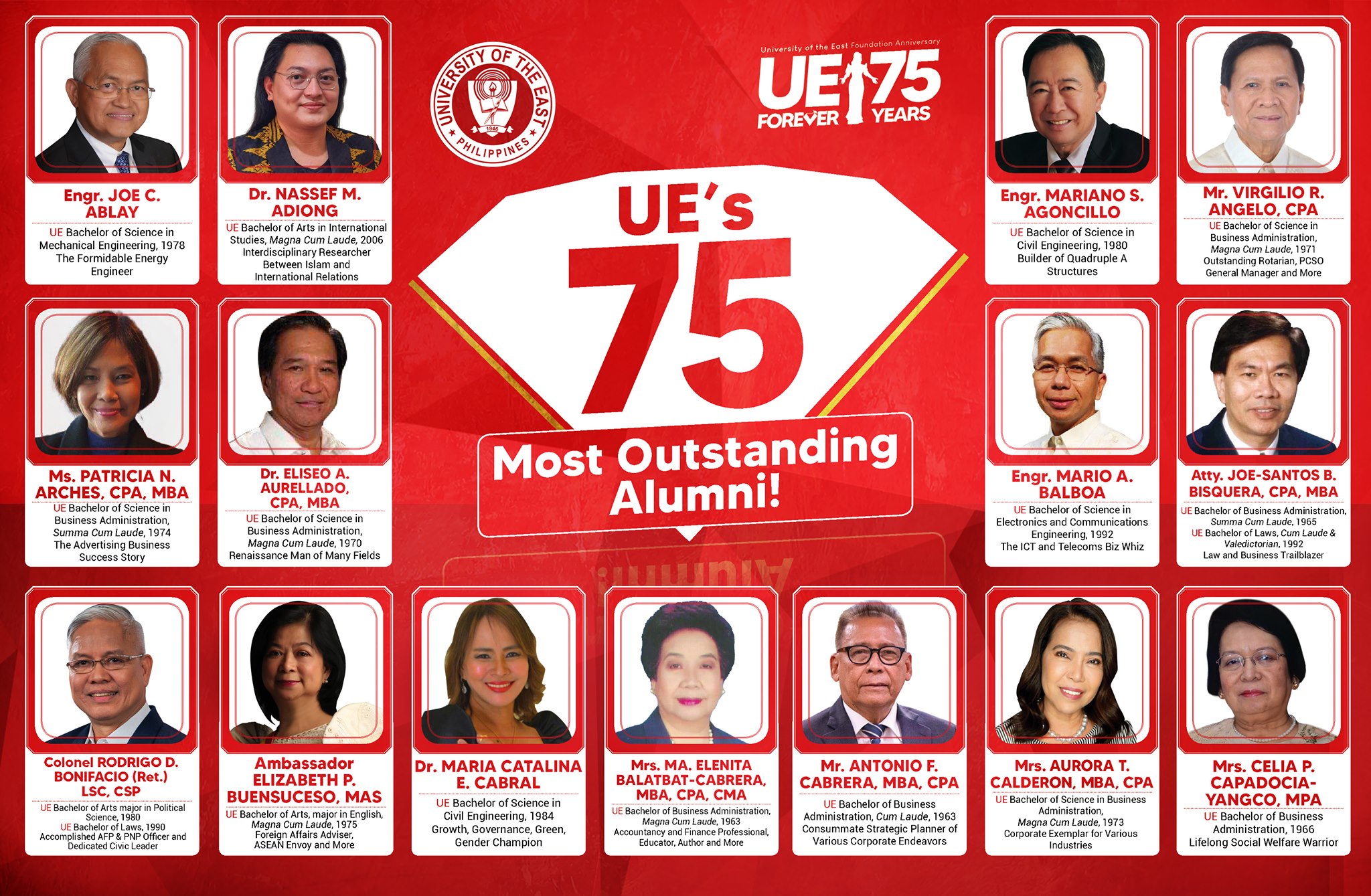
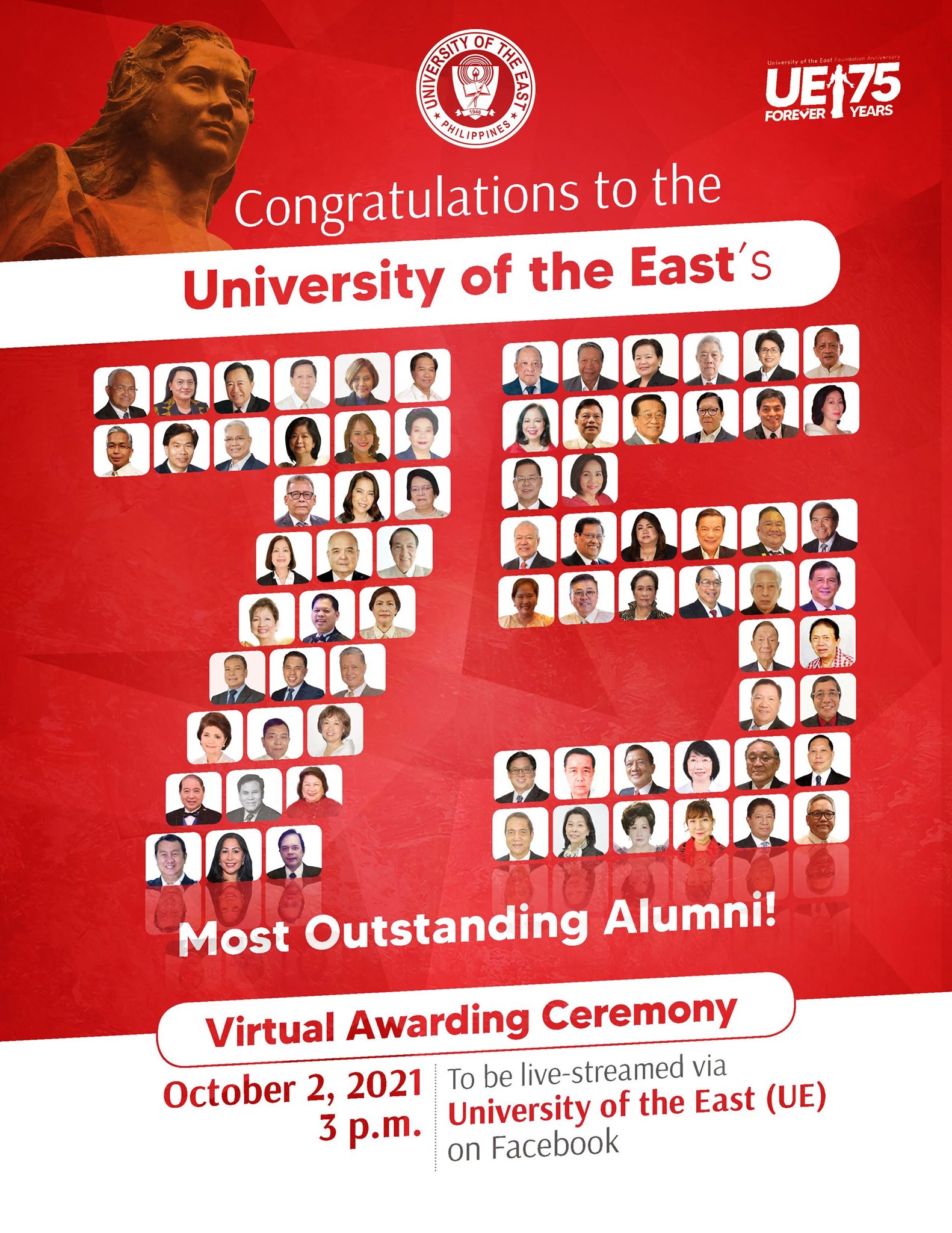
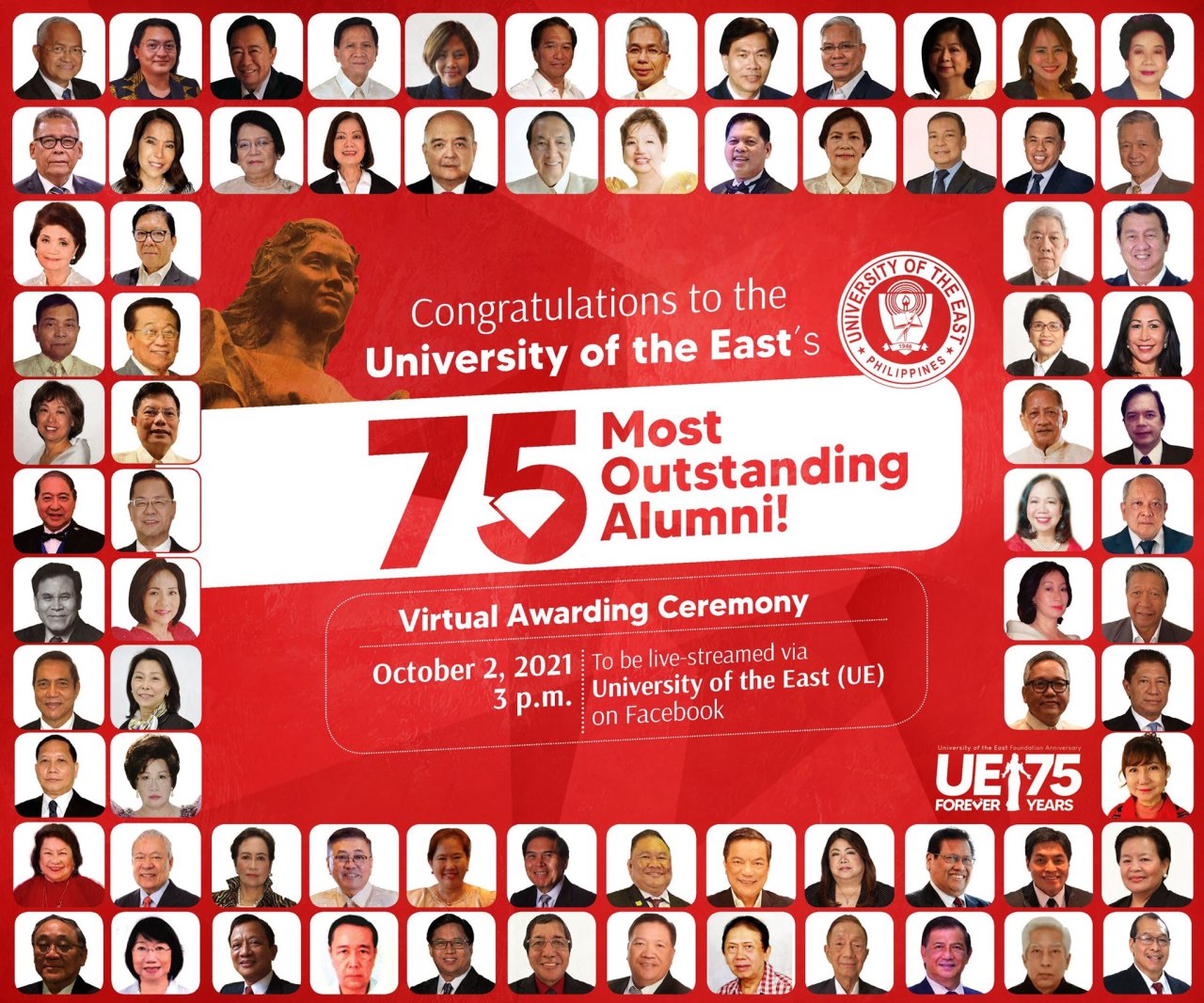
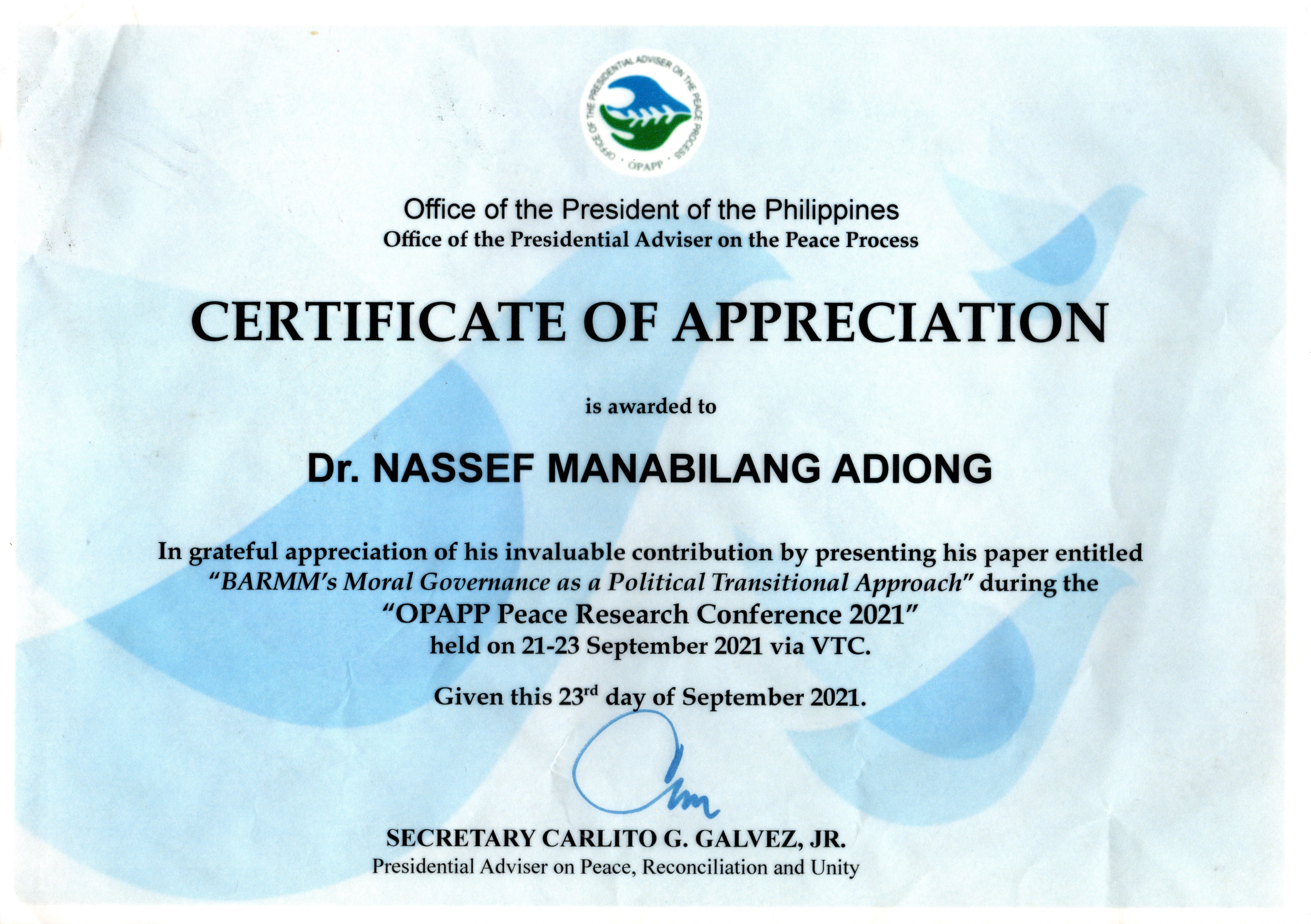
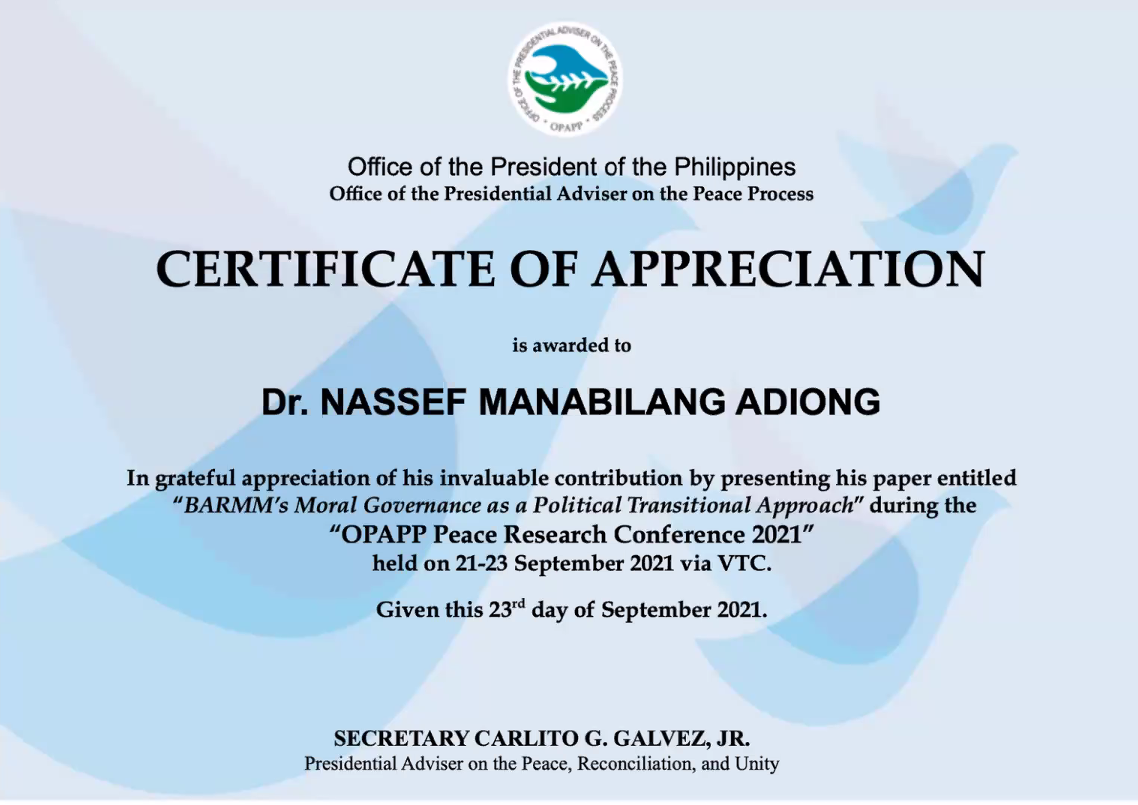
With more than 50 academic publications in various platforms, 25 academic grants, 18 awards (UP Centennial Professorial Chair, PUP Professorial Chair, TOYM, among others), 14 scholarships, 6 fellowships, 6 consultancies, and numerous researches, the stellar career of Dr Nassef Manabilang Adiong—whose at his mid-30s presently—is truly an inspiration. After 15 years from obtaining his Bachelor of Arts in International Studies (Magna cum Laude) in 2006, he is being honored this year as one of the Most Outstanding Alumni in the 75th foundation anniversary of the University of the East. Shepherding towards reforms in the political economy of world’s knowledge systems conveniently lenient to Western canons, he founded three research organizations, five book series, and one scholarly journal to provide impetus to marginalized plurality of intellectual voices. His recognition extends beyond the Philippine soil as he was elected as governing board officer at the World International Studies Committee in 2020 and Asia representative at the ISA Global South Caucus in 2018. To find and connect to his ancestral roots by serving his own community, the Bangsamoro people, he has taken a new role as the tenured Director of the Bangsamoro Parliament’s Policy Research and Legal Services.

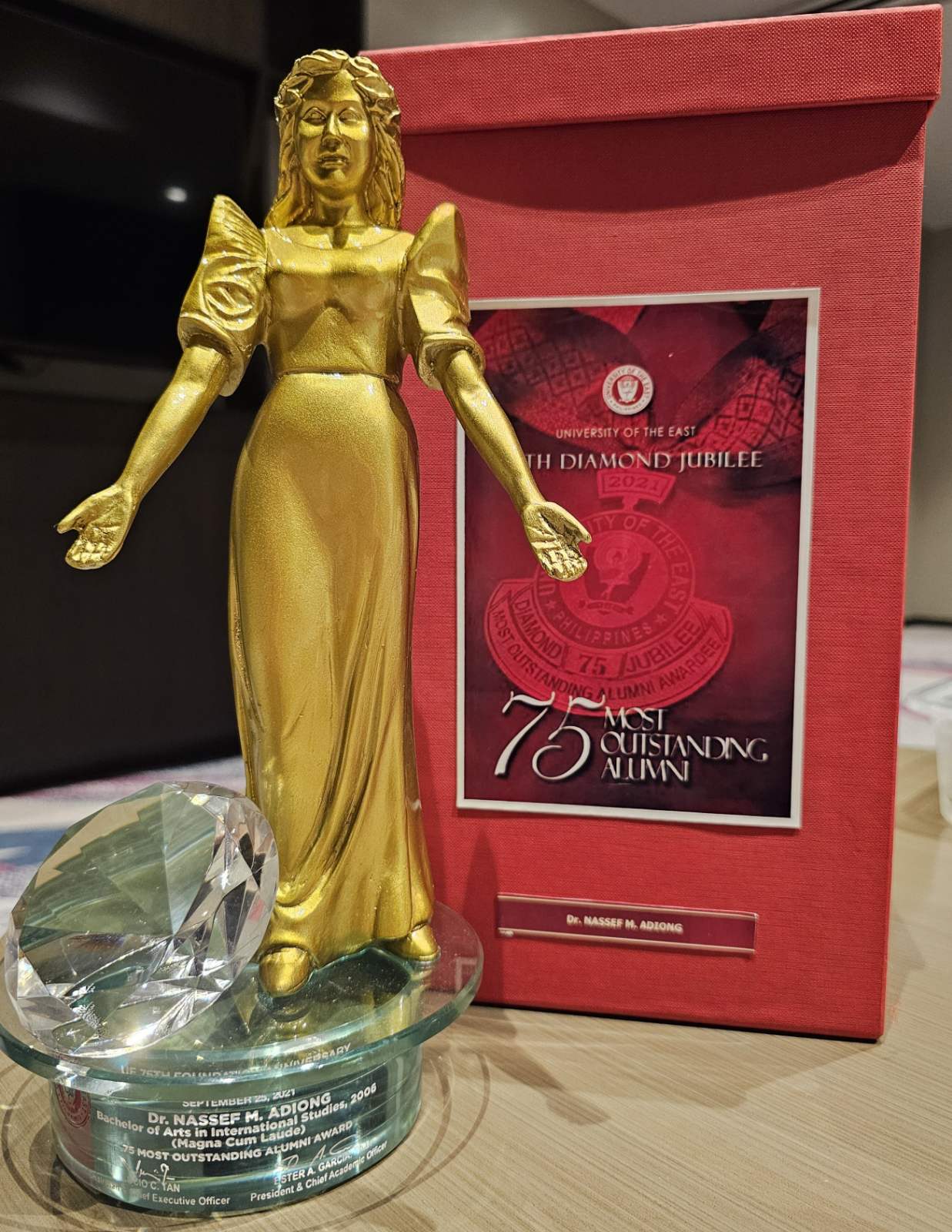
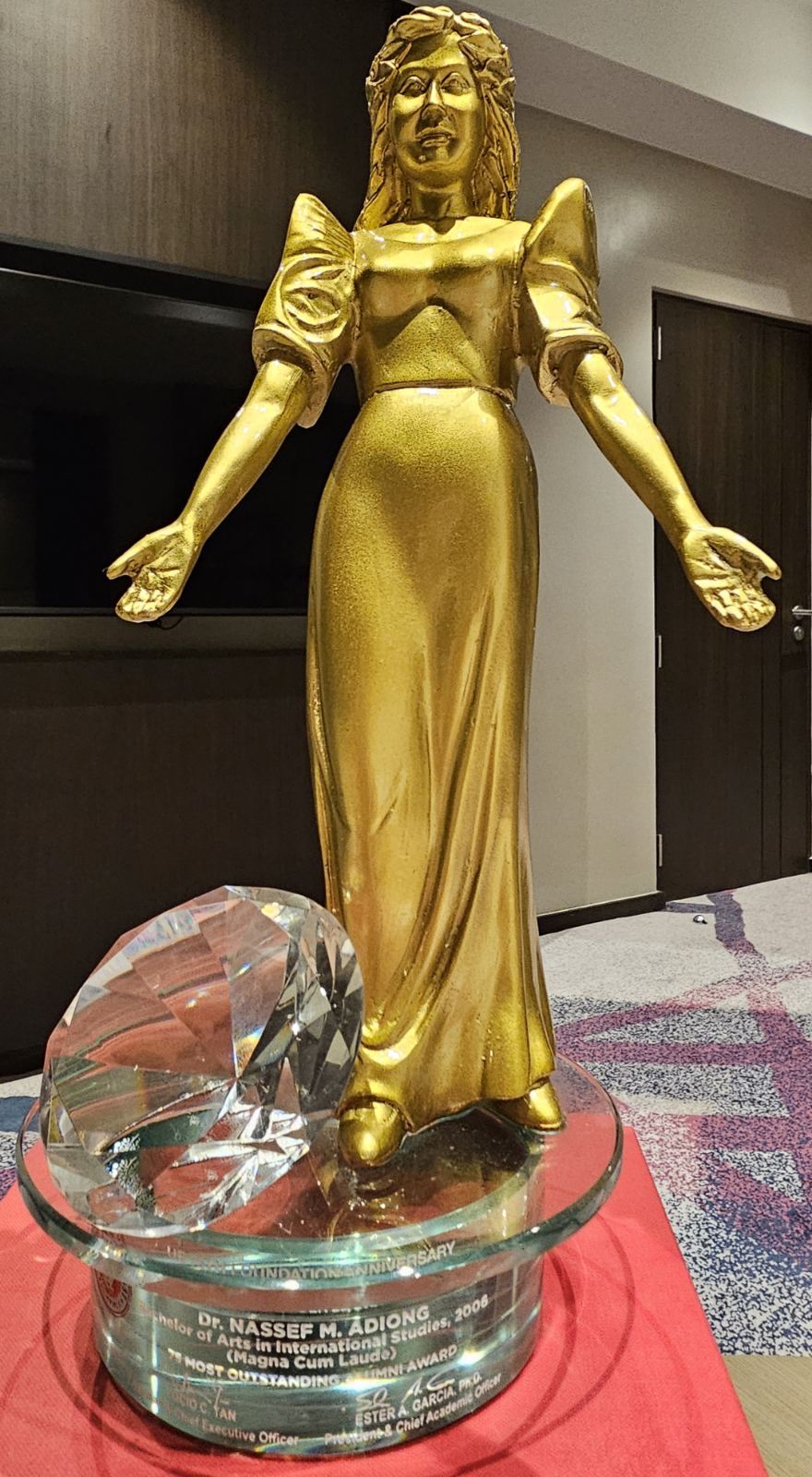











 Nassef Manabilang Adiong, PhD
You must be logged in to post a comment.